
Корейская культура
Корейские числительные от 1 до 100: две системы счёта, наконец понятно

Изучение корейских числительных начинается легко, а потом происходит неожиданное. Вы доучиваете первый набор, довольны собой — и обнаруживаете, что есть второй, совершенно другой, и его тоже нужно выучить.
Это не корейский вредничает. Один набор много веков назад пришёл из китайского, второй — исконно корейский, и со временем они поделили работу между собой. Как только вы поймёте, какие задачи закреплены за каким набором, всё сворачивается до объёма, который реально выучить за выходные. Вот корейские числительные от 1 до 100 в обеих системах и правило, которое подскажет, какую брать.
Почему в корейском два набора числительных
В корейском параллельно работают две системы счёта, и обе используются постоянно:
- Китайско-корейские числительные (한자어 수사) пришли из китайского. Они состоят из односложных корней, почти идеально регулярны и растут сколько угодно — тысячи, миллионы, миллиарды.
- Исконно корейские числительные (고유어 수사) — свой, домашний набор. Слова длиннее, регулярности меньше, и заканчиваются они на 99.
В русском есть похожая история, просто её не замечают. Мы считаем «один, два, три», но говорим и «моно-, би-, три-», и «первичный, вторичный» — два числовых словаря из разных источников, каждый со своими задачами. Корейский просто делает этот раскол невозможно не заметить, потому что оба набора — обычные слова, которыми пользуется пятилетний ребёнок.
Есть практическое следствие, о котором стоит знать заранее. Китайско-корейский набор регулярный и отвечает за всё крупное, так что он даётся почти без усилий. По-настоящему зубрить придётся исконный — и он идёт только до 99, а это меньше работы, чем кажется.
Китайско-корейские числительные от 1 до 100
Начинайте отсюда, потому что этот набор достаётся почти даром. Выучите десять слогов — и сможете построить всё до 99, не заучивая ни одного нового слова:
- 1 — 일 (иль)
- 2 — 이 (и)
- 3 — 삼 (сам)
- 4 — 사 (са)
- 5 — 오 (о)
- 6 — 육 (юк)
- 7 — 칠 (чхиль)
- 8 — 팔 (пхаль)
- 9 — 구 (ку)
- 10 — 십 (сип)
Дальше это арифметика, произнесённая вслух. Второй десяток — это «десять плюс что-то», а десятки — «что-то умножить на десять»:
- 11 — 십일 (десять-один)
- 15 — 십오 (десять-пять)
- 20 — 이십 (два-десять)
- 27 — 이십칠 (два-десять-семь)
- 30 — 삼십, 40 — 사십, 50 — 오십
- 60 — 육십, 70 — 칠십, 80 — 팔십, 90 — 구십
- 99 — 구십구
- 100 — 백 (пэк)
Обратите внимание: сто — это просто 백, а не 일백. Дальше идут 천 (тысяча) и 만 (десять тысяч). Вот последнее и сбивает с толку: корейский группирует большие числа по десять тысяч, а не по тысяче, поэтому 100 000 — это 십만 («десять десятитысяч»).
Две мелочи, которые лучше подхватить сразу. У нуля две формы: 영 (ён) в математике и счёте, 공 (кон) в номерах телефонов. И 16 пишется 십육, но звучит ближе к симнюк — то же изменение происходит в 26, 36 и так далее, так что это стоит один раз услышать, а не дважды прочитать.
Исконно корейские числительные от 1 до 99
Вот этот набор придётся заучивать по-настоящему: слова не выводятся друг из друга так, как в китайско-корейском.
- 1 — 하나 (хана)
- 2 — 둘 (туль)
- 3 — 셋 (сет)
- 4 — 넷 (нет)
- 5 — 다섯 (тасот)
- 6 — 여섯 (ёсот)
- 7 — 일곱 (ильгоп)
- 8 — 여덟 (ёдоль)
- 9 — 아홉 (ахоп)
- 10 — 열 (ёль)
Каждый десяток — отдельное слово, и никакой связи между ними нет. Это та часть, которую придётся просто отдрилить:
- 20 — 스물 (сымуль)
- 30 — 서른 (сорын)
- 40 — 마흔 (махын)
- 50 — 쉰 (свин)
- 60 — 예순 (есун)
- 70 — 일흔 (ирхын)
- 80 — 여든 (ёдын)
- 90 — 아흔 (ахын)
Дальше всё просто складывается: 11 — 열하나, 12 — 열둘, 25 — 스물다섯, 47 — 마흔일곱, 99 — 아흔아홉.
А потом набор заканчивается. Исконно корейского слова для 100 не существует — на этом месте все переходят на 백. Поэтому честный ответ на вопрос «какие корейские числительные от 1 до 100?» такой: до конца доводит только одна из двух систем.
Какая система за что отвечает
Вот часть, которая важнее зубрёжки. Выбор не той системы выдаёт новичка гораздо сильнее, чем неуверенный акцент.
Китайско-корейские числительные берут всё, что ведёт себя как записанная цифра:
- Даты — год, месяц, день: 2026년 8월 2일
- Деньги: 오천 원 (5000 вон)
- Номера телефонов, адреса, номера комнат
- Минуты и секунды: 삼십 분 (тридцать минут)
- Этажи: 삼층 (третий этаж)
- Вес, расстояния, измерения
- Всё больше 99 и вся арифметика
Исконно корейские берут то, на что можно показать пальцем:
- Час на часах: 세 시 (три часа)
- Возраст: 스물다섯 살 (двадцать пять лет)
- Предметы, люди, животные, напитки — всё, что считается со счётным словом
- Количество раз: 세 번 (три раза)
Именно на часах две системы сталкиваются самым известным образом. 3:30 — это 세 시 삼십 분: исконный набор для часа, китайско-корейский для минут, в одном выдохе. На бумаге выглядит дико, а в речи становится автоматическим на удивление быстро.
Ещё культурная деталь, раз уж вы здесь: 사 (четыре) звучит так же, как китайско-корейское слово «смерть», поэтому на некоторых корейских панелях лифта четвёртый этаж обозначен буквой F, а не цифрой 4. Тот же инстинкт, что и пропущенный тринадцатый этаж на Западе.
Счётные слова: то, что идёт после числа
Просто сказать «три» и остановиться в корейском обычно нельзя. Счёту нужен счётный суффикс — короткое слово, которое сообщает, что именно вы считаете, примерно как «два ломтика хлеба» или «три листа бумаги», только корейский делает так почти со всем.
Те, что понадобятся постоянно:
- 개 — предметы вообще. Безопасный вариант, когда нужное слово не вспоминается.
- 명 — люди (вежливый вариант — 분)
- 마리 — животные
- 잔 — чашки и стаканы
- 병 — бутылки
- 권 — книги
- 장 — плоское: бумага, билеты, фотографии
- 대 — машины, телефоны, техника
- 살 — годы возраста
- 번 — разы
А теперь правило, на котором спотыкаются абсолютно все. Когда исконно корейское число стоит перед счётным словом, первые четыре числа и 20 меняют форму:
- 하나 → 한: 한 개 (одна штука)
- 둘 → 두: 두 명 (два человека)
- 셋 → 세: 세 잔 (три чашки)
- 넷 → 네: 네 권 (четыре книги)
- 스물 → 스무: 스무 살 (двадцать лет)
Остальные остаются как есть — 다섯 개, 여섯 명, 아홉 잔. Скажете «하나 개» — вас поймут, но прозвучит это как «два человеков».
Часть счётных слов, наоборот, требует китайско-корейских чисел, и это те, что привязаны к цифрам, а не к предметам: 분 (минуты), 원 (воны), 층 (этажи), 인분 (порции). Осторожно с 번 — оно работает в обе стороны: 세 번 «три раза» с исконным числом, а 삼번 «номер три» — маршрут автобуса или комната — с китайско-корейским.
От списков к тому, чтобы это произносить
Числительные — та часть языка, где «знаю» и «пользуюсь» дальше всего друг от друга. Можно безупречно проговаривать 하나 둘 셋 за столом и всё равно зависнуть, когда бариста спросит, сколько чашек. Вспоминание должно ужаться примерно до полусекунды, а туда его загоняет только давление.
Три вещи, которые сокращают этот разрыв:
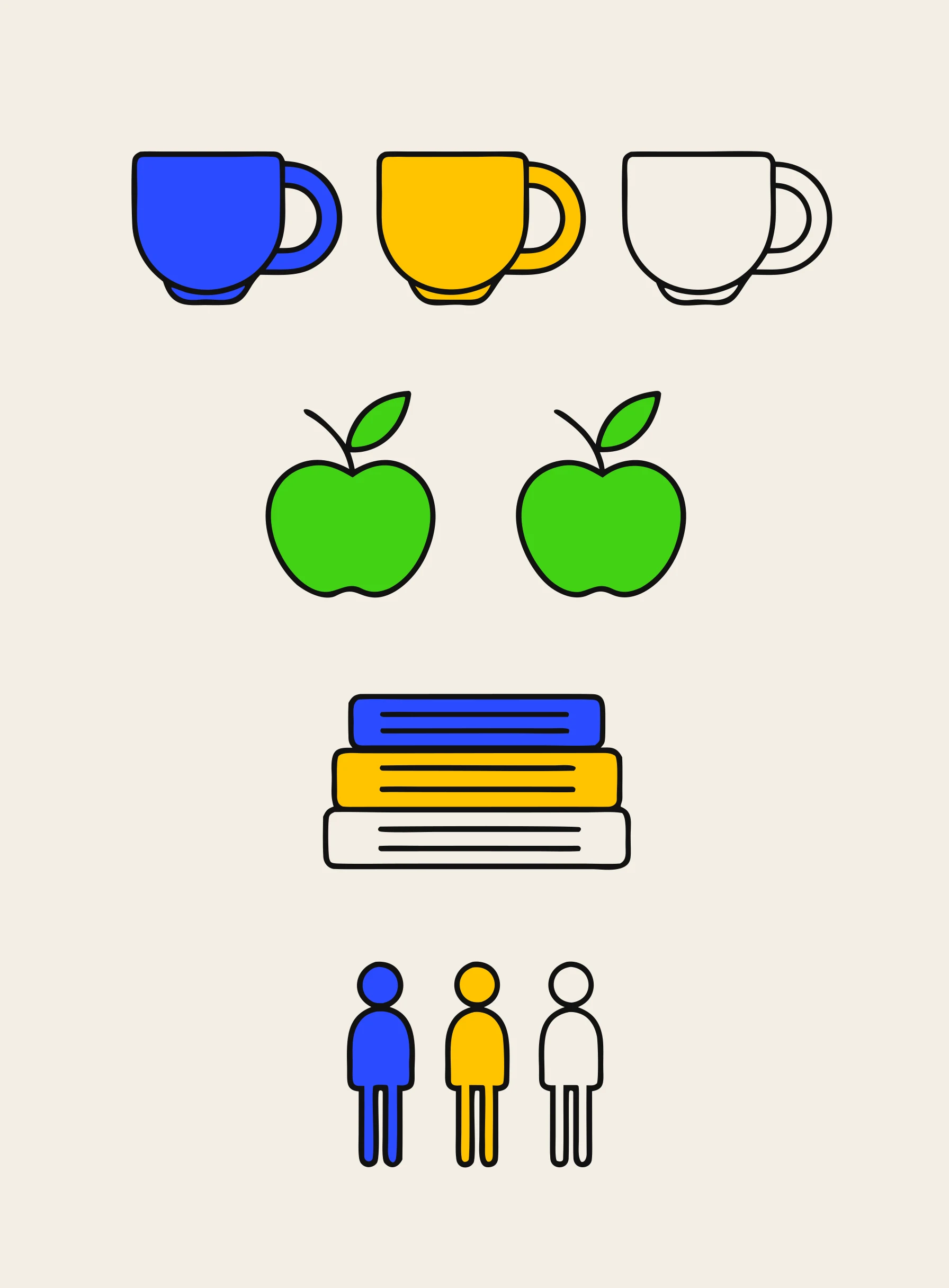
- Считайте реальные предметы вслух, в той комнате, где вы находитесь. Книги на полке, чашки в раковине, людей в автобусе. Это заставляет выбрать счётное слово — а это и есть сложная часть.
- Проговаривайте цены и время вслух по мере того, как они попадаются. Чеки, часы, расписание автобусов. Так раскол между двумя наборами тренируется там, где он единственно и важен, — на скорости.
- Доведите до рефлекса свой возраст, номер телефона и дату рождения. Это три числовых факта, которые у вас с наибольшей вероятностью спросит незнакомый человек.
А потом используйте их с живым человеком. Заказать два кофе, договориться встретиться в половине восьмого, назвать свой возраст — именно там выгорает заминка, и по той же причине практика говорения обыгрывает ещё час карточек. CoffeeTalk сводит вас с носителем корейского ровно для такого малорискового разговора, а числа всплывают почти в каждой беседе, планируете вы это или нет.
Если вы параллельно собираете остальную базу, то корейские приветствия, благодарности и способы сказать «я тебя люблю» устроены по той же логике вежливости, на которую намекают числовые системы, — а темы разговора можно подобрать так, чтобы всё это точно всплыло.

FAQ
Сколько систем счёта в корейском языке?
Две. Китайско-корейские числительные пришли из китайского и используются для дат, денег, минут, номеров телефонов и всего, что больше 99. Исконно корейские нужны для часов на циферблате, возраста и счёта предметов и людей. Обе в ежедневном обиходе, и корейцы переключаются между ними внутри одной фразы.
Нужно ли учить обе корейские системы числительных?
Да, но они не одинаково трудные. Китайско-корейская почти идеально регулярна: десять слогов — и вы строите всё до 99. Исконно корейская нерегулярна и требует настоящей зубрёжки, зато идёт только до 99, так что объём работы меньше, чем кажется на первый взгляд.
Как будет от 1 до 10 по-корейски?
В китайско-корейской системе: 일, 이, 삼, 사, 오, 육, 칠, 팔, 구, 십 (иль, и, сам, са, о, юк, чхиль, пхаль, ку, сип). В исконно корейской: 하나, 둘, 셋, 넷, 다섯, 여섯, 일곱, 여덟, 아홉, 열 (хана, туль, сет, нет, тасот, ёсот, ильгоп, ёдоль, ахоп, ёль).
Когда корейцы используют исконные числительные вместо китайско-корейских?
Для часа на циферблате (세 시, три часа), для возраста (스물다섯 살, двадцать пять лет), для количества раз и для счёта предметов, людей и животных со счётным словом. Всё, что ведёт себя как записанная цифра — даты, цены, минуты, номера телефонов, — берёт китайско-корейский набор.
Как сказать 100 по-корейски?
백 (пэк), и только в китайско-корейской системе. Исконно корейского слова для 100 не существует — этот набор заканчивается на 아흔아홉 (99). Обратите внимание: говорят просто 백, а не 일백, то есть корейский не повторяет слово «один» так, как это делает английское one hundred.