
English vocabulary
Everyday English Vocabulary: The Words You'll Actually Use in Conversation

Here’s a fact that should take the pressure off: English has hundreds of thousands of words, but in ordinary conversation people reuse the same small core over and over. Studies of everyday speech keep landing on the same ballpark — roughly the first 1,000 words account for the vast majority of what native speakers actually say.
So the goal isn’t to swallow a dictionary. It’s to own the high-frequency words so well that they come out without thinking. Below is the everyday English vocabulary that pulls the most weight — the verbs, nouns and connectors you’ll reach for in almost every conversation — plus how to learn them so they don’t evaporate a week later.
Why a small core of words does most of the work
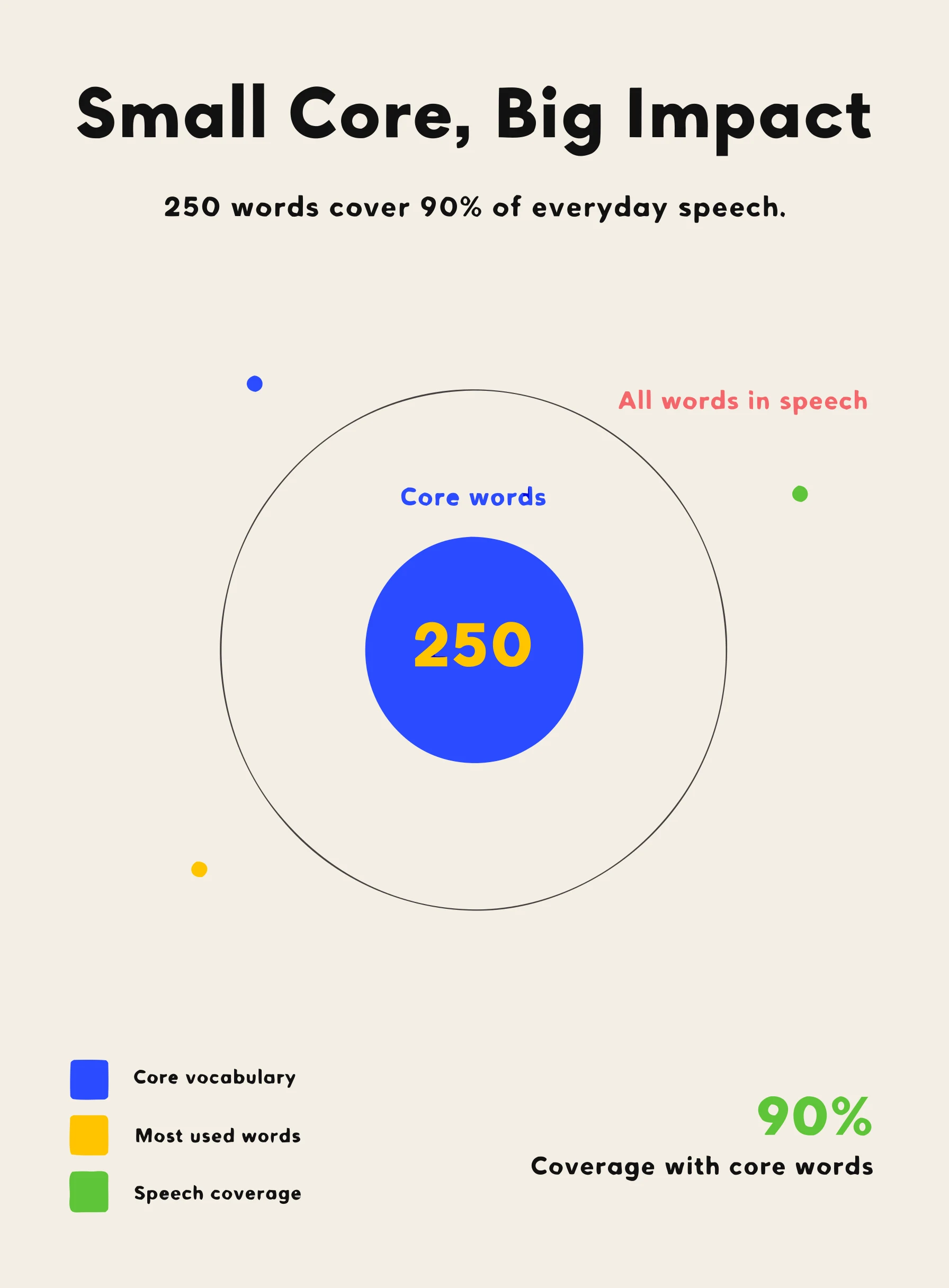
Word frequency is wildly uneven. A handful of words — the, is, you, have, go, get — appear constantly, while most words in the dictionary you could go months without needing. Researchers put rough numbers on it:
- The most common ~100 words make up around half of everyday English text.
- The most common ~1,000 words cover roughly 85% of daily conversation.
- Reach ~3,000 and you can follow almost anything in ordinary speech.
The lesson is simple: frequency beats volume. A learner who truly owns 800 everyday words will out-talk one who half-remembers 5,000. Spend your energy where the payoff is — the words you’ll use today, not the ones you might meet someday.
The everyday verbs you'll use constantly
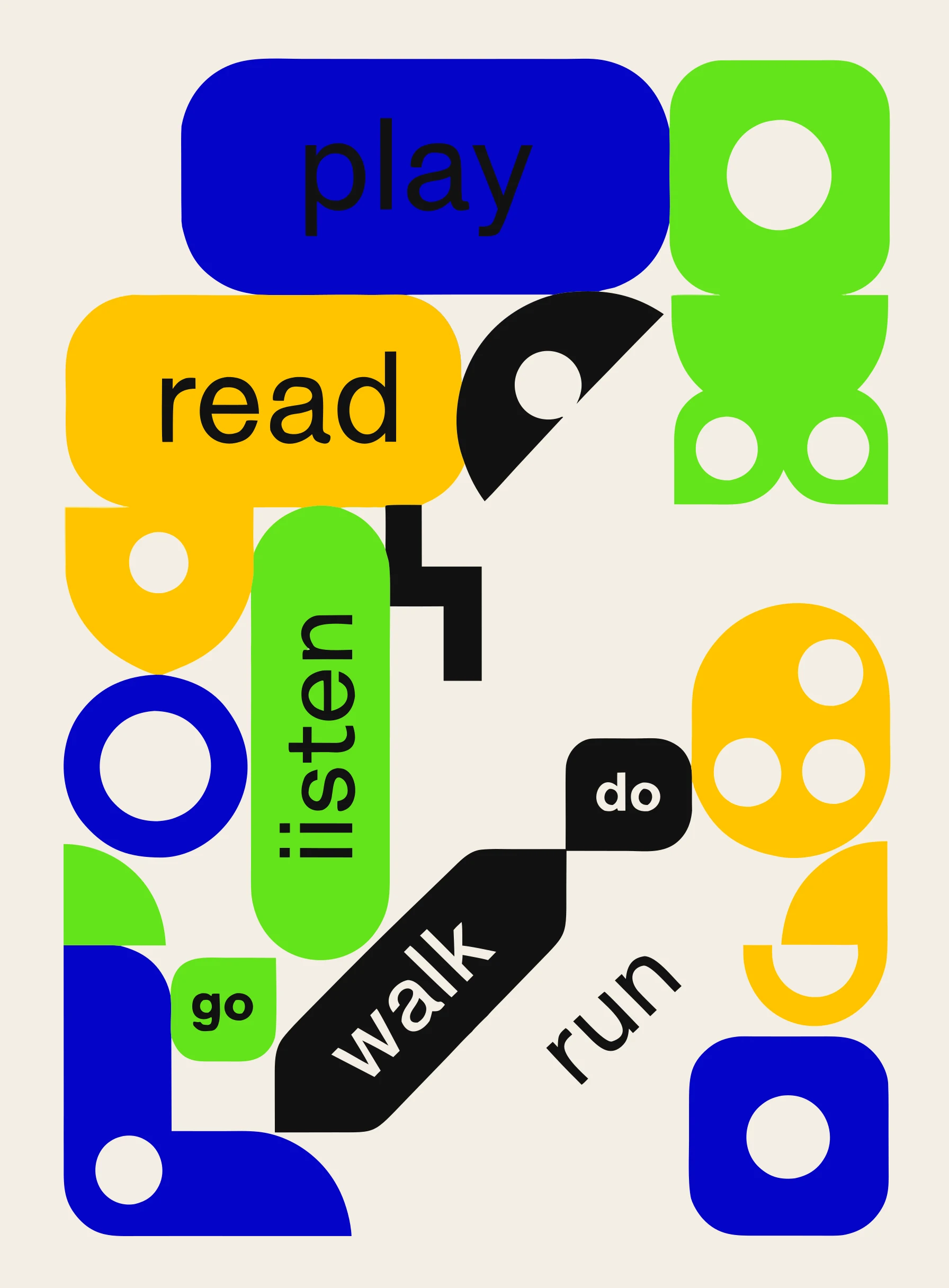
Verbs are the engine of a sentence, and English leans hard on a small set of them. Master these and you can express most everyday actions:
- be, have, do — the workhorses behind tenses and questions.
- get — the most flexible verb in English (get up, get it, get there, get tired).
- go, come, take, give, make, put, keep, let — everyday motion and action.
- want, need, like, think, know, feel, mean — for saying what’s going on in your head.
Notice how many double as phrasal verbs: get up, take off, give up, put on. Learning the base verb plus its common partners buys you dozens of everyday meanings from a tiny starting set — which is why these are the highest-return words you can drill.
Read also: Everyday English Phrases: Real Expressions Native Speakers Actually Use
Everyday nouns: people, places, time
Nouns are easier — they map onto the world around you — so learn them in groups tied to daily life rather than as a random list:
- People: friend, family, people, guy, kid, someone.
- Time: day, week, year, time, morning, tonight, minute.
- Places: home, work, school, place, city, way, shop.
- Things & life: thing, money, food, water, phone, car, job, problem.
A quick trick: attach new nouns to ones you already use every day. You already say home, work and phone constantly — hang new words off those anchors and they slot into sentences you’re already making, instead of floating free with nowhere to land.
The connectors that make you sound fluent
This is the group learners skip — and the one that most separates stiff, textbook English from natural speech. Connectors and filler words are the mortar between your sentences:
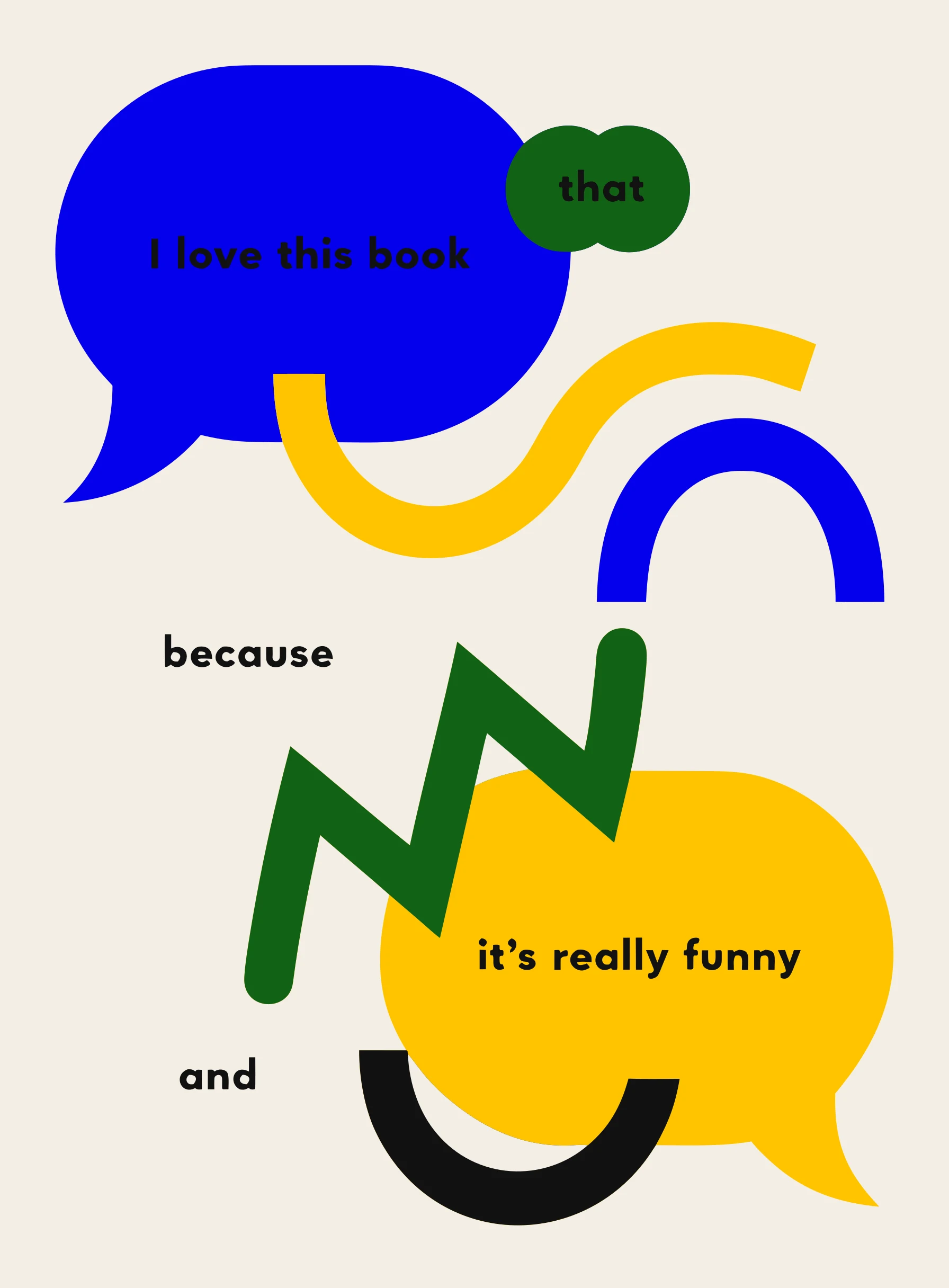
- Joining ideas: and, but, so, because, though, or.
- Softening & steering: actually, anyway, by the way, I mean, well.
- Time & order: then, after that, first, finally, already, still.
- Everyday adverbs: really, just, maybe, probably, almost, pretty (as in ‘pretty good’).
You don’t need many, but the payoff is huge: ‘I was tired, so I stayed home, but actually it was nice’ flows like real speech. Sprinkle a few connectors in and your sentences stop sounding like a list and start sounding like a person.
How to learn words so they don't vanish
Everyone knows the frustration: you look a word up, nod, and forget it by tomorrow. The fix isn’t more words — it’s a better way of holding the ones you meet:
- Learn words in chunks, not alone. Store ‘catch the bus’, not just ‘catch’ — the phrase tells you how the word behaves.
- Review at spaced intervals. Meeting a word again tomorrow, then in a few days, then a week later, is what moves it into long-term memory.
- Use it fast. A word you say out loud in your own sentence within a day of learning it sticks far better than one you only reread.
That last point is the whole game. Vocabulary you only recognise is passive; vocabulary you can produce under real-time pressure is active — and only active words help you speak. The bridge from one to the other is retrieval: pulling the word out and using it with a real person.
From word list to real conversation
A list gets a word into your head; only use gets it onto your tongue. Everyday vocabulary turns active the moment you have to reach for a word mid-conversation and it’s there when you need it — the one step no flashcard app can do for you.
That’s exactly why CoffeeTalk exists. Every member passes a quick video verification, so you’re practising with a real person who’s there to talk. You’re matched near your level and given ready-made topics, so you can put these words to work straight away. Build the words here, then spend your reps where they count. For the phrases that sit on top of this vocabulary, see our guide to everyday English phrases, and for a full routine, how to study English conversation.

FAQ
How many English words do I need for everyday conversation?
Far fewer than most people think. The most common 1,000 words cover roughly 85% of daily conversation, and around 3,000 let you follow almost anything in ordinary speech. Owning a small core of high-frequency words really well beats half-knowing a huge list.
What are the most common English words?
The highest-frequency words are short function words and everyday verbs — the, be, have, do, get, go, make, take — plus common nouns like time, day, people and thing, and connectors like and, but, so and because. These few hundred words appear in almost every conversation.
Is it better to learn English words or phrases?
Learn words inside phrases. A single word like 'catch' tells you little, but 'catch the bus' or 'catch a cold' shows you how it's actually used. Storing short chunks means the word comes out correctly and automatically, rather than as an isolated item you have to assemble under pressure.
How do I remember new vocabulary?
Three things make words stick: learn them in chunks rather than alone, review them at spaced intervals over several days, and use each word out loud in your own sentence soon after meeting it. Retrieval — pulling a word out and saying it — is what moves it into long-term memory.
How many new words should I learn a day?
A steady 5-10 new words a day, genuinely reviewed and used, beats cramming fifty you'll forget. Consistency and retrieval matter more than volume: a handful of high-frequency words you actually practise will reach your active vocabulary far faster than long lists you only read.