Practical guides on speaking a new language, finding real conversation partners, and practicing safely.
You understand far more than you can say out loud. Here are seven practical, proven ways to close the gap and finally start speaking your target language with confidence.
July 1, 2026 · 7 min read
An honest 2026 comparison of eight language exchange apps and sites — what each one is best for, what the free plan really gets you, and which are safest for real speaking practice.
September 25, 2026 · 8 min read
Not months — hours. Here's how many hours it really takes to hold a conversation in a new language, why easy and hard languages differ so much, and the one lever that speeds it all up.
July 4, 2026 · 8 min read
You can follow the show, read the signs, catch the gist — then freeze the moment you have to say something. That's the language barrier. Here's exactly why it happens and how to break through it.
July 5, 2026 · 8 min read
The self-introduction is the first thing you say in any new conversation — and the easiest to prepare. Here are the phrases, examples and a simple structure to introduce yourself in English with confidence.
July 7, 2026 · 7 min read
You can study English for years and still freeze when it's time to talk. Here's a self-study routine for English conversation built around the one thing textbooks skip: actually speaking.
July 7, 2026 · 8 min read
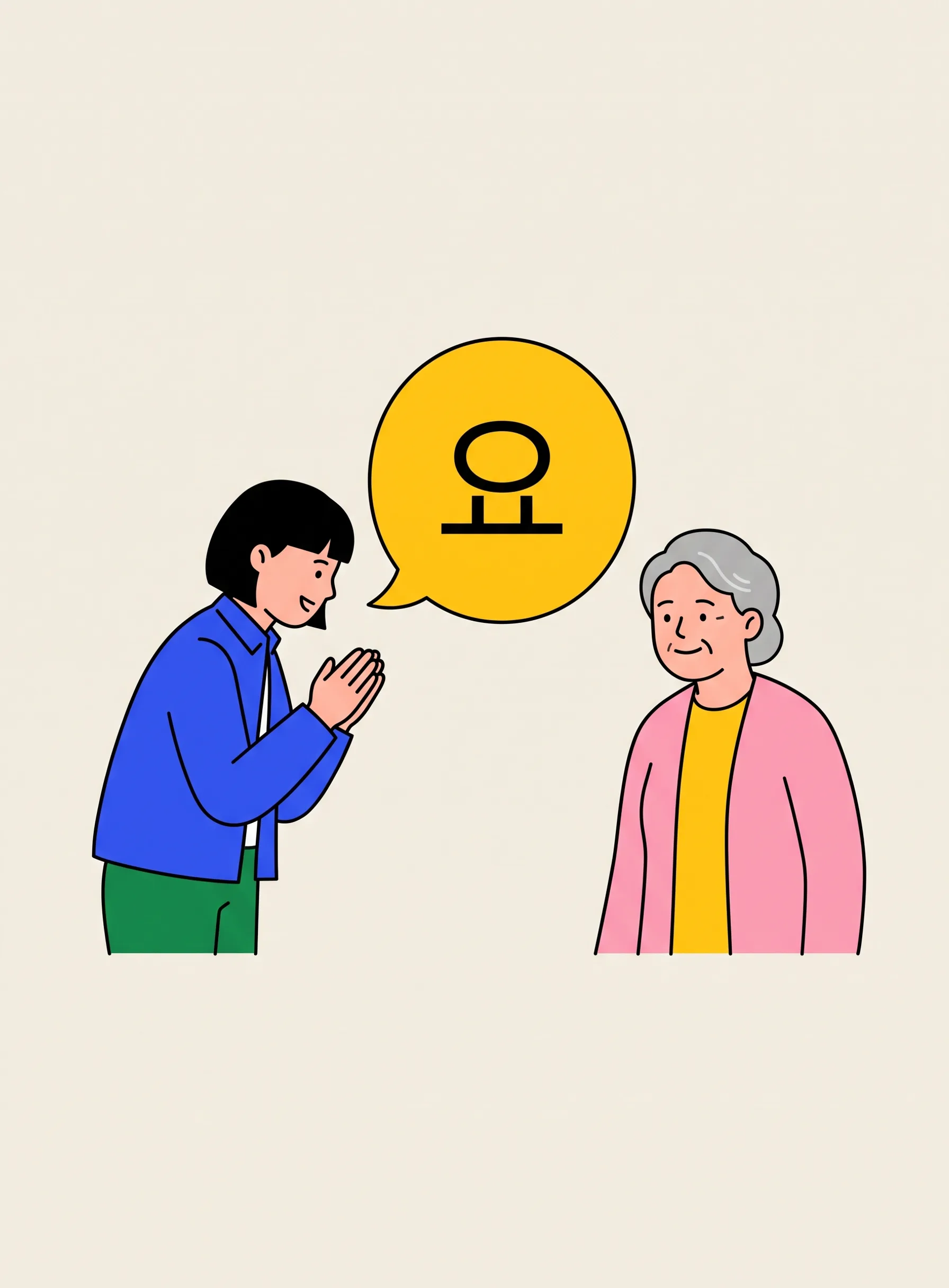
Korean doesn't have a single 'hello' — the right greeting depends on who you're talking to. Here are 10 ways to say hello in Korean, from formal to casual, with pronunciation and when to use each.
July 8, 2026 · 7 min read
Textbooks teach you correct English; real conversations run on short, ready-made phrases. Here are the everyday English expressions native speakers actually use — and how to make them automatic.
July 8, 2026 · 8 min read
You've heard it in every K-drama and K-pop song, but what does “oppa” actually mean — and who is allowed to say it? Here's the full, simple answer.
July 10, 2026 · 7 min read
Fluency isn't about knowing the most words — it's about knowing the right ones cold. Here's the core everyday English vocabulary that carries most real conversations, and how to make it stick.
July 10, 2026 · 8 min read
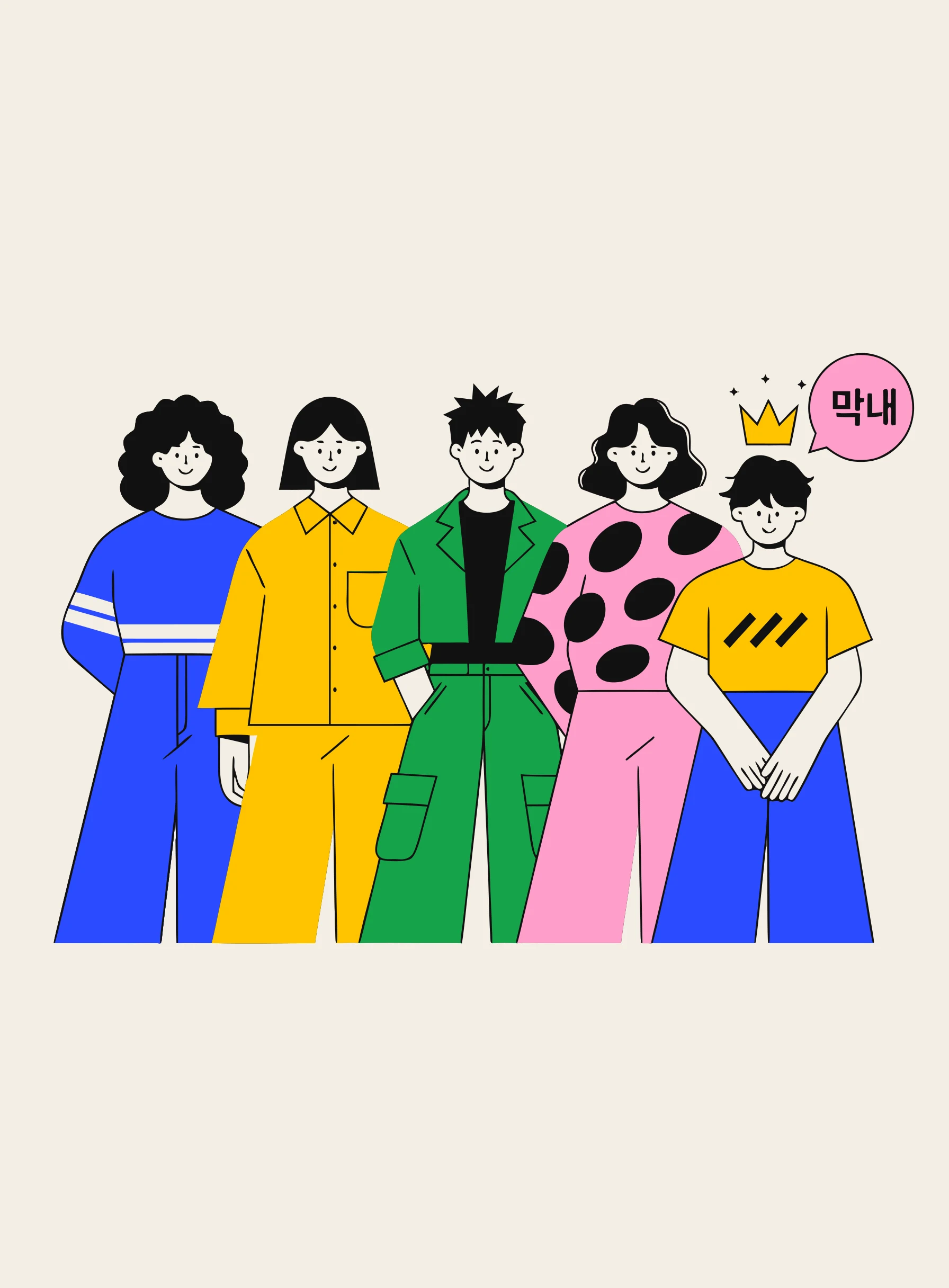
You've heard fans call an idol the 'maknae' — but what does maknae actually mean, and why does the youngest get so much attention? Here's the simple answer.
July 11, 2026 · 6 min read
You've studied grammar and passed the tests, but conversation still freezes you up. Here's why speaking is a separate skill — and a practical routine to actually master it.
July 11, 2026 · 8 min read
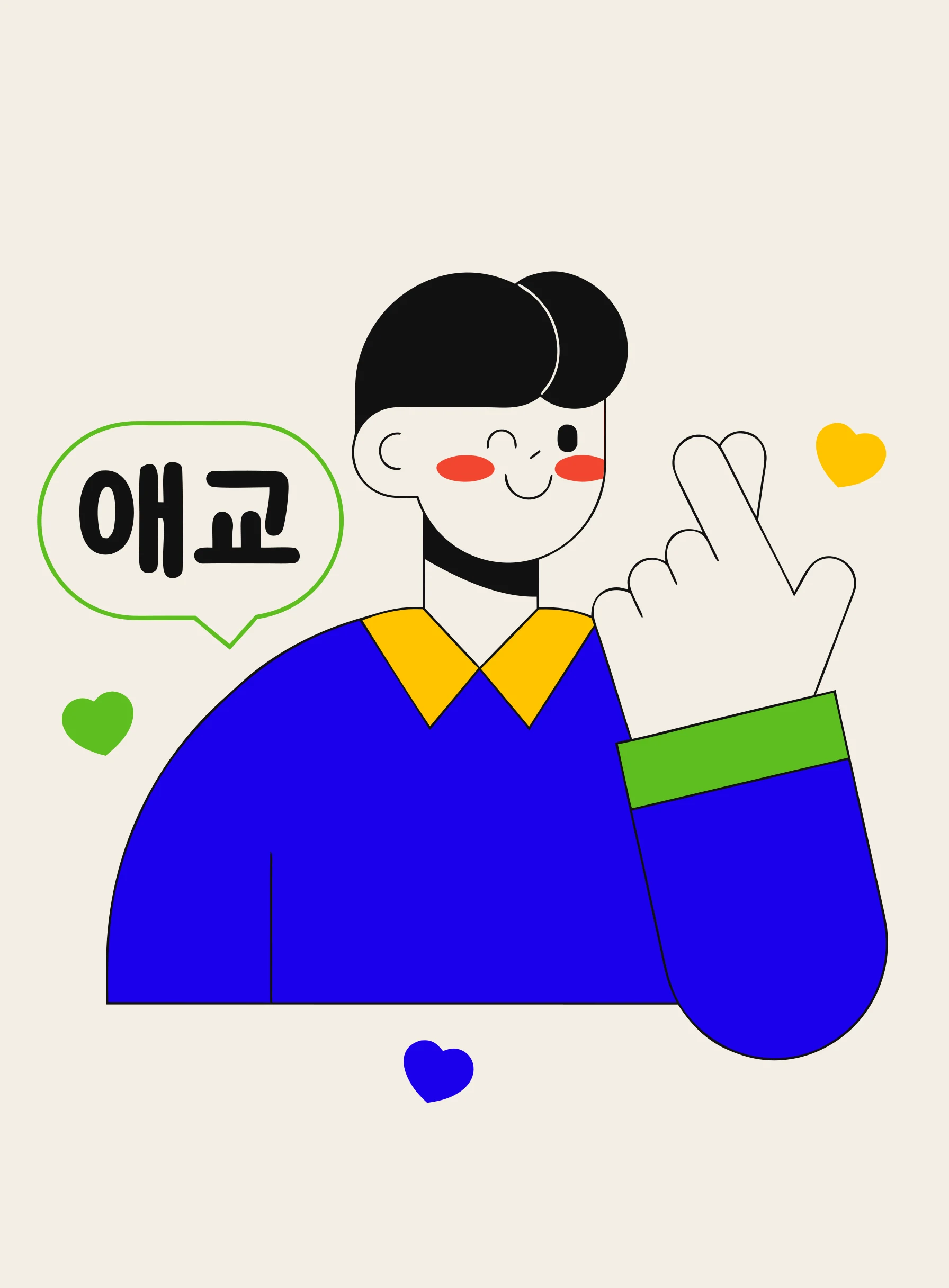
You've seen idols do finger hearts and puff their cheeks — that's aegyo. Here's what aegyo actually means, where it comes from, and how Koreans use it in real life.
July 13, 2026 · 6 min read
Great quotes are short, memorable and full of natural English. Here's a hand-picked set of inspiring quotes with their meaning — and how to turn them into speaking practice.
July 13, 2026 · 7 min read
감사합니다 will never be wrong, but it isn't always right. Here's the full ladder of Korean thank-yous — formal, polite, casual — and how to reply when someone thanks you.
July 17, 2026 · 6 min read
Most English grammar rules barely matter for speaking. Here are the few that carry almost every real conversation — word order, three tenses, articles and questions.
July 17, 2026 · 7 min read
Saranghae is the answer everyone knows — but it's one of three, and the one you pick says who you're talking to. Here's the full picture, plus what Koreans say instead.
August 1, 2026 · 7 min read
Single words don't come out of your mouth in a conversation — whole sentences do. Here are 50 daily English sentences worth knowing by heart, and how to actually learn them.
August 1, 2026 · 8 min read
Sino-Korean or native Korean? One set handles dates, money and minutes; the other handles hours, ages and counting things. Here is both — plus the rule that tells them apart.
August 2, 2026 · 8 min read
The TOEIC rewards familiarity more than raw English ability, which is exactly why studying alone works. Here is what to drill, in what order, and where a workbook stops helping.
August 2, 2026 · 9 min read
Hyung is the word Korean men use for an older brother — by blood or by choice. Here is who can say it, how it differs from oppa and sunbae, and why K-pop fans hear it in every interview.
September 12, 2026 · 10 min read
Most English diaries die in a week because they start too big. Here is a three-sentence formula that survives tired evenings, and the routine that turns written lines into spoken ones.
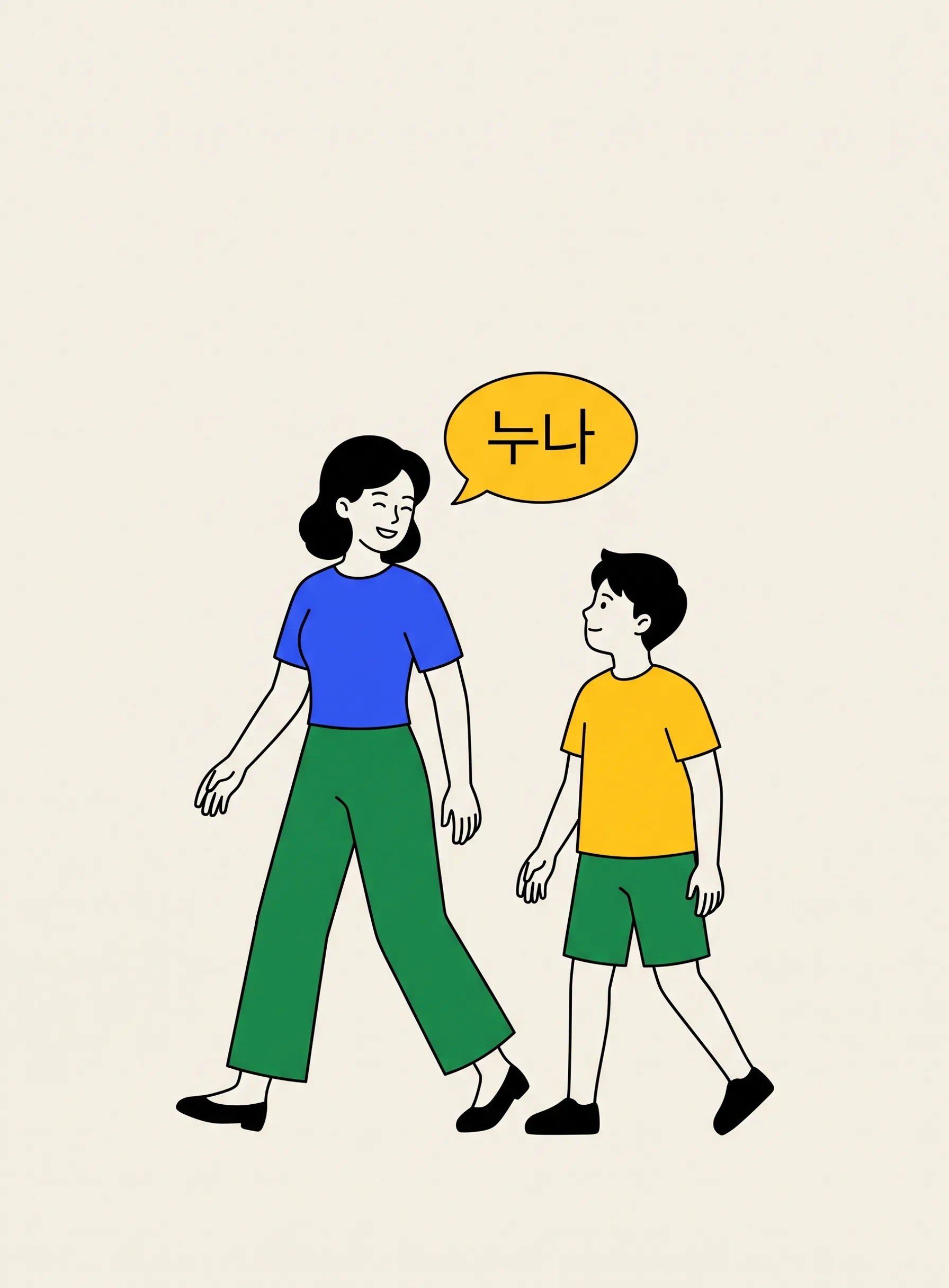
Noona is what a Korean man calls an older sister — by blood or by choice. Here is who can say it, how it differs from unnie and oppa, and why so many K-dramas are built around it.
September 13, 2026 · 10 min read
An interview in English is a structure test, not a grammar test. Here is the self-introduction formula, first lines for the ten questions you will almost certainly get, the STAR structure, and the phrases that turn silence into an answer.
An idiom is a chunk, not a puzzle. Here are 45 English idioms with meaning and examples, the eight your textbook taught you that nobody actually says, and the method that gets them out of your notebook and into your mouth.
September 14, 2026 · 9 min read
Collecting example sentences does almost nothing; converting them does. Here are 42 English example sentences for real situations, and the drill that turns each one into a frame you can fill on the spot.
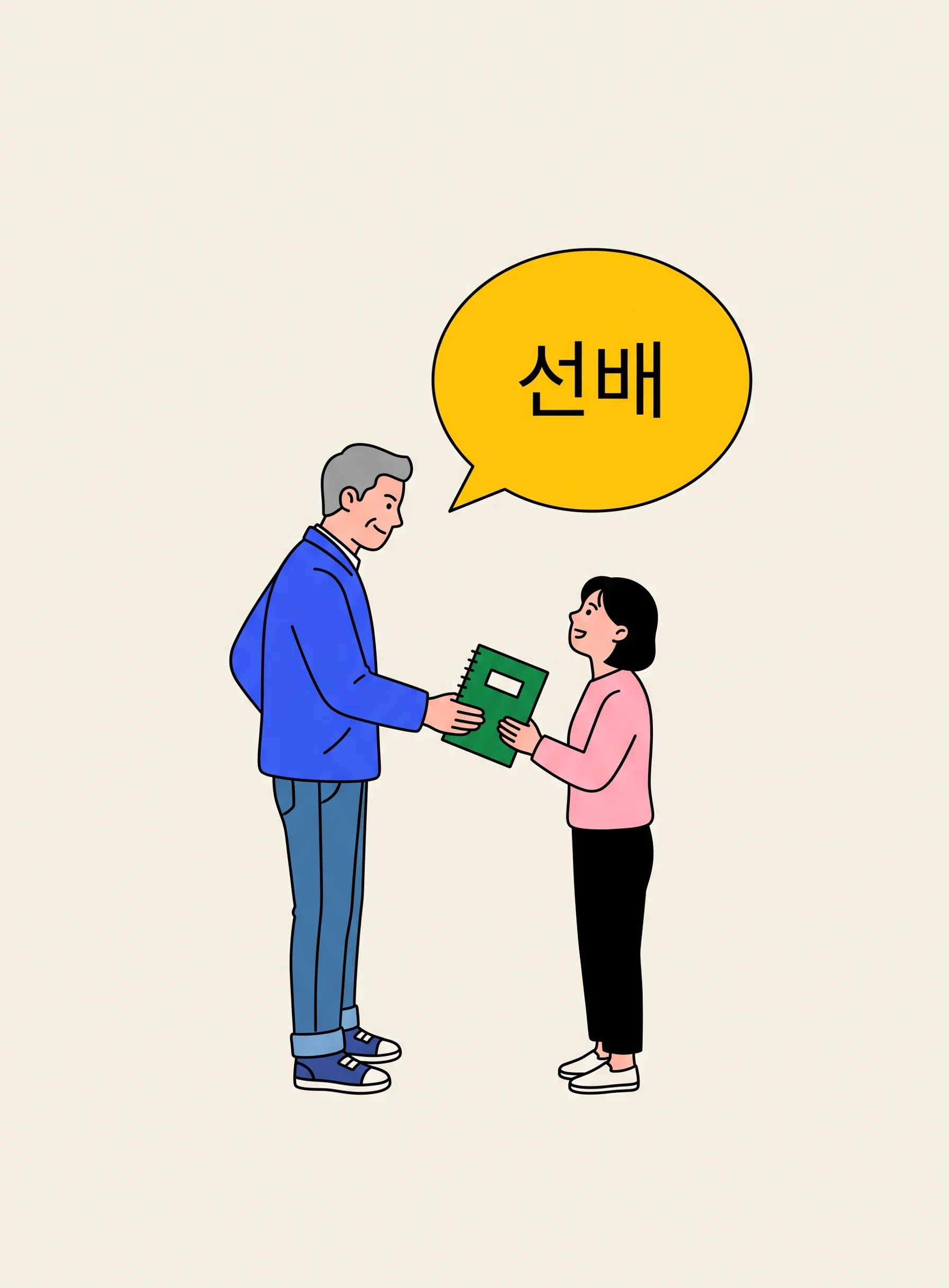
Sunbae is not about age. It is about who walked through the door first. Here is who counts as your sunbae, what a hoobae owes them, and why K-drama heroines spend twelve episodes refusing to use his name.
September 15, 2026 · 10 min read
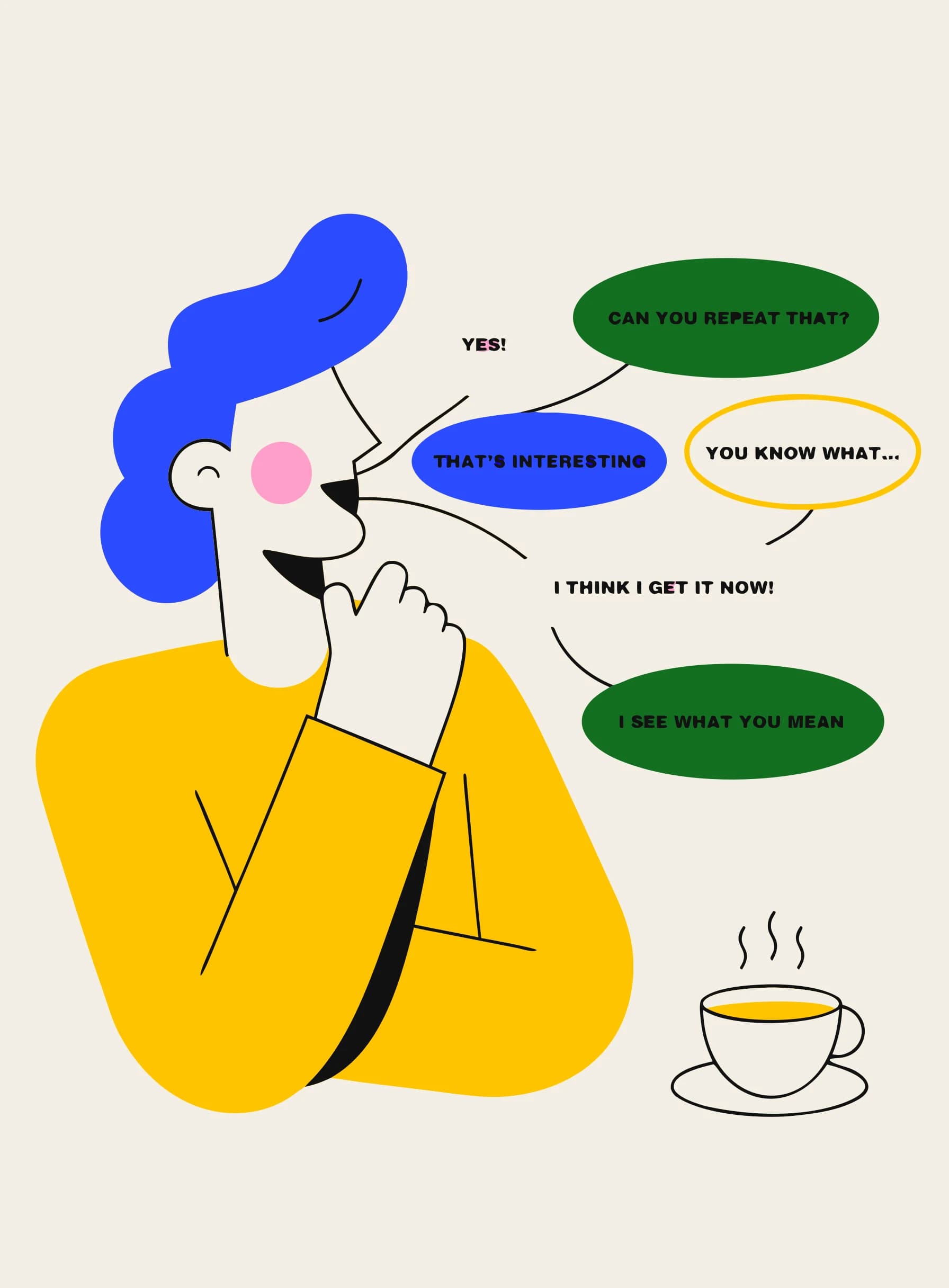
Most conversation lists teach you what to say. Conversations die on what you say after someone answers. Here are 48 English conversation sentences for reacting, following up and recovering when you miss a word.
Every word in a phrasal verb is one you learned in your first month. Put them together and the meaning disappears. Here are 45 phrasal verbs with meaning and examples, plus the two rules that stop them sounding wrong.
September 16, 2026 · 10 min read
Self-study rarely fails from lack of effort. It fails from lack of sequence. Here is a six-month plan: measure where you are, cut to three materials, and handle the one gap studying alone cannot close.
September 16, 2026 · 8 min read
Korean politeness is not one rule but three layers working at once: the verb ending, the verb itself, and what you call the person. Here is how each layer works and how to choose without freezing.
September 17, 2026 · 9 min read
A four-line dialogue sticks where a single sentence slides off. Here are 20 short English conversations native speakers actually have, one a day, with the phrase worth stealing from each.
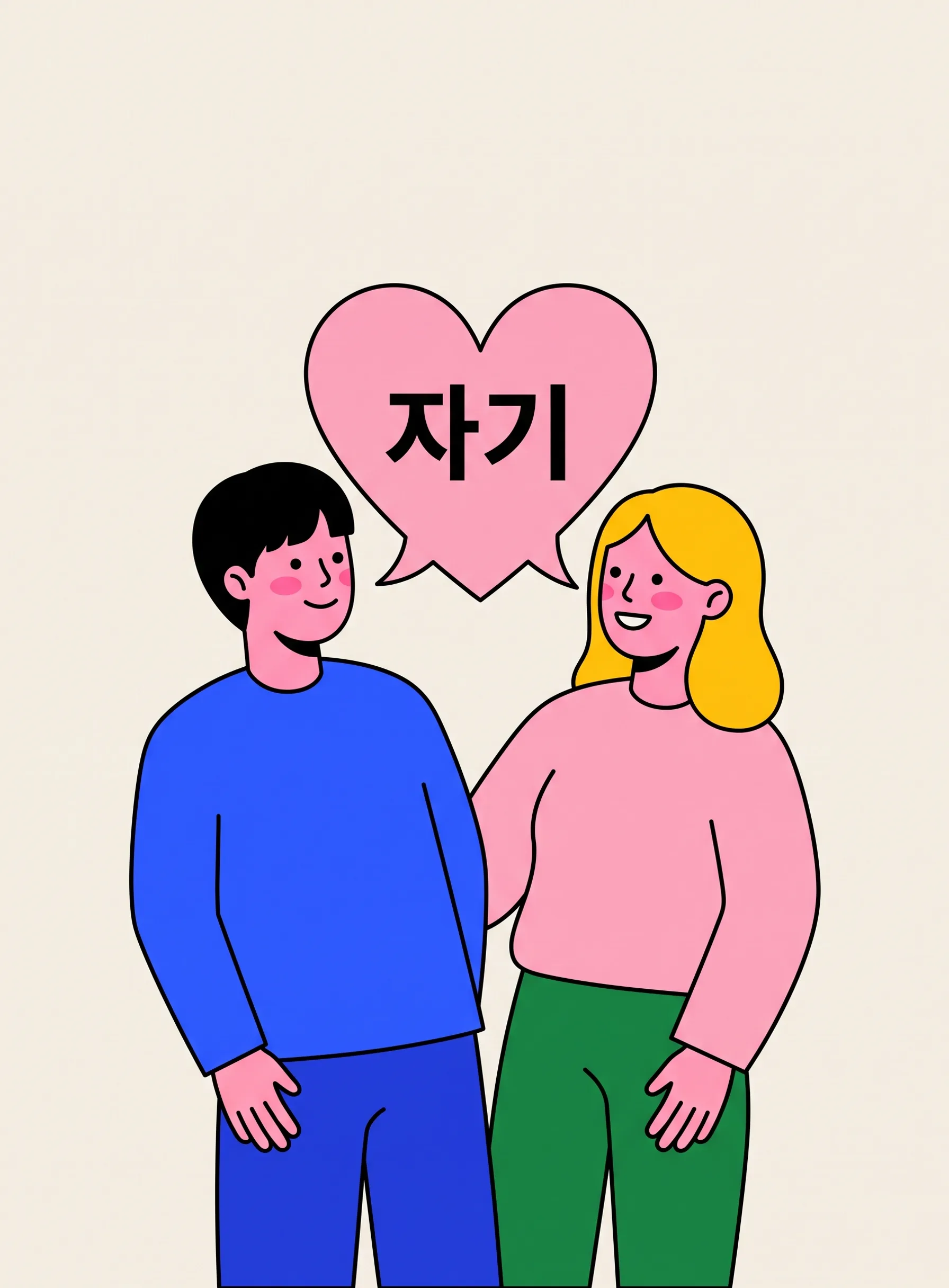
자기 literally means ‘oneself’. Somewhere along the way it became the word Korean couples use for ‘darling’. Here is how that happened, and how to use it without embarrassing yourself.
September 18, 2026 · 9 min read
You can memorise ‘at the airport’ and ‘at the hotel’ word lists forever and still freeze in a real conversation. What repeats in real talk is not the place — it is the job the phrase does.
September 18, 2026 · 10 min read
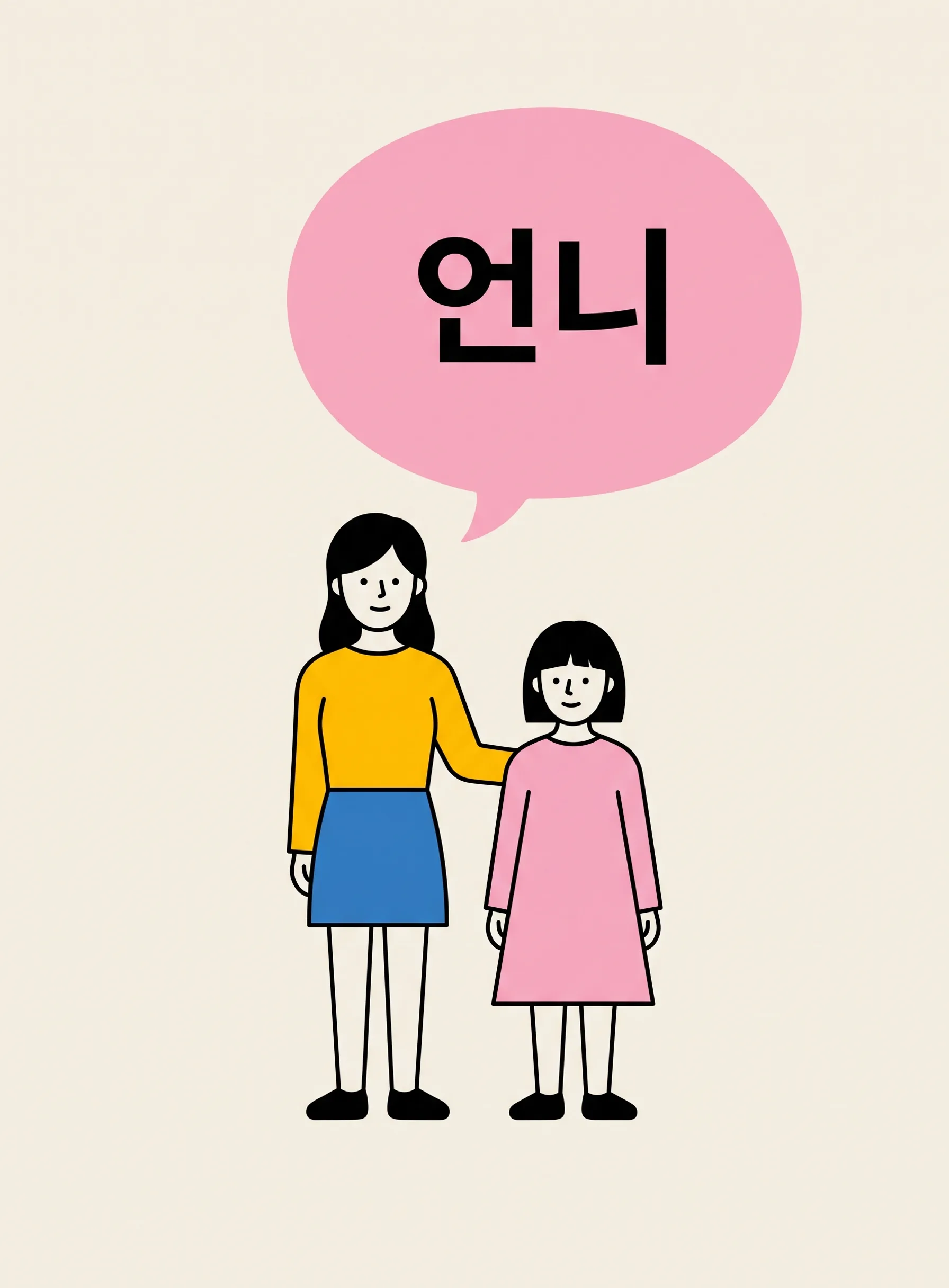
언니 means ‘older sister’ — but only if a woman is the one saying it. Here is who may use it, who may not, and why most of the people a Korean calls 언니 are not related to her at all.
September 19, 2026 · 10 min read
‘I’m fine, thank you. And you?’ is grammatically perfect and almost nobody says it. Real English greetings are shorter, more fixed, and split across more situations than your textbook admitted.
You can manage a café conversation, then the phone rings and every word evacuates. Phone English is genuinely harder — and far more predictable. Here are the lines that cover almost every call.
September 20, 2026 · 10 min read
You are not short of vocabulary. Ten years of study that never turns into speech has a structural cause — and once you can see the structure, the order of the work becomes obvious.
September 20, 2026 · 8 min read
Sorry is the most used word in English that isn’t really one word. Here is how to pitch an apology at the right strength — and how to answer one without sounding cold.
September 21, 2026 · 9 min read
You know the word shower. You still freeze on ‘I usually shower and head out’. Talking about your day in English is not a vocabulary problem — it is a verb-pairing and tense problem.
Reading more will not make you speak faster. Speaking is a separate skill with its own training, and twenty minutes a day of the right drills does more than an hour of study.
September 22, 2026 · 8 min read
The basics of English are not chapter one of a grammar book. They are sounds, a few hundred frequent words, one sentence pattern and three tenses — learned in that order, they get you speaking in about three months.
Fluency is not a bigger vocabulary or a perfect accent. It is the ability to keep going — and it is built by a handful of specific habits, not by more study.
September 23, 2026 · 9 min read
Most learners do not lack grammar. They lack a map of it. Here is the whole of spoken English grammar in priority order, with a clear line marking where each topic stops mattering.
Most people who want to speak better English are already studying enough. The problem is what they are studying — and the fact that nothing they do is measured.
September 24, 2026 · 10 min read
People who freeze before speaking English usually have the vocabulary. What they do not have is a first sentence — and openers are memorised, not invented.
September 24, 2026 · 9 min read
Every learner meets Korean profanity long before anyone explains it. The problem is not that the words are hard — it is that almost nobody tells you how strong they actually are.
September 25, 2026 · 10 min read
Most learners spend their pronunciation effort on individual sounds. Those sit at the bottom of the list of things that actually stop a conversation.
You read the transcript afterwards and every single word was one you knew. That is not a listening problem in general — it is one specific problem out of three.
September 28, 2026 · 11 min read