
Korean culture
What Is “Aegyo”? Korea's Cutest Concept, Explained
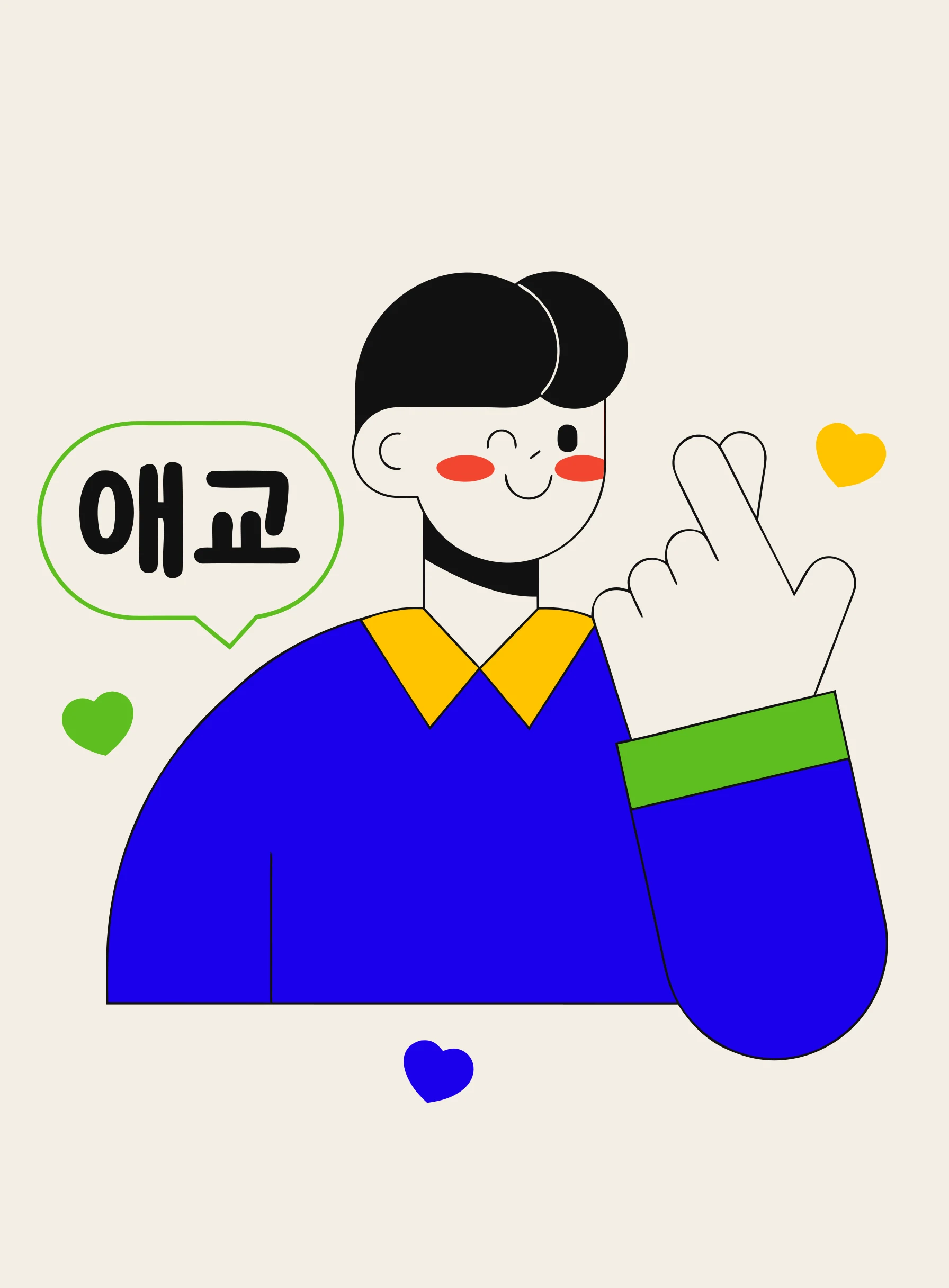
If you’ve spent any time with K-pop or K-dramas, you’ve seen it: an idol suddenly scrunches up their face, puts on a sing-song voice and does a tiny finger heart, and the whole room melts. Fans have a word for it — aegyo (애교).
The short version: aegyo is the act of being deliberately cute and charming — through your voice, your face and little gestures — usually to be endearing, to soften someone up, or just for fun. It’s a real part of everyday Korean life, not only a stage performance. Here’s what aegyo actually means, what it looks like, and when Koreans really use it.
What “aegyo” actually means
Aegyo (애교) is a Korean word for acting cute or charming in an endearing way. It covers a whole bundle of behaviour: a sweeter tone of voice, a playful pout, a cute gesture, or an exaggeratedly adorable way of asking for something.
A few things to keep straight:
- It’s a behaviour, not a personality. You do aegyo or show aegyo — it’s something you perform in a moment, not a fixed trait.
- It’s usually aimed at someone. People show aegyo to a partner, a close friend, a parent or an audience — to charm them, tease them or win them over.
- It’s gender-neutral in principle. Aegyo is most associated with idols and cute characters, but partners, kids and even grown men do it too.
So when fans say an idol ‘has a lot of aegyo’, they mean that person is good at turning on the charm in a sweet, cute way.

What aegyo looks like
Aegyo is easier to recognise than to define. Once you know the signals, you’ll spot it everywhere:
- The voice. A higher, softer, sing-song tone — sometimes with drawn-out words or a little whine at the end of a sentence.
- The face. Puffed-out cheeks, a playful pout, big pleading eyes, an exaggerated wink.
- The gestures. The finger heart, hands framing the face, fists gently pressed to the cheeks, a little shoulder wiggle.
- The words. Cutesy phrases and baby-talk versions of ordinary words, often to ask for a favour.
On Korean variety shows, idols are regularly asked to ‘do some aegyo’ on the spot — and the mix of charm and secondhand embarrassment is half the entertainment.

Read also: How to Say Thank You in Korean (Formal, Casual and In Between)
Aegyo in K-pop and K-dramas
Aegyo went global through K-pop. Idols use it to connect with fans, and many groups have a designated member who’s the aegyo specialist — often, though not always, the maknae (the youngest). A well-timed finger heart or a cute catchphrase becomes a signature that fans adore and imitate.
In K-dramas, aegyo usually shows up in romance. A character puts on aegyo to melt a cold love interest, to apologise after a fight, or to wheedle their way out of trouble — and it works, because in that world cuteness is a kind of soft power.
If you’re learning the sibling-style words fans use alongside aegyo, our guides on what maknae means and what oppa really means fill in the rest of the picture.

Aegyo in everyday Korean life
Away from the stage, aegyo is woven into ordinary relationships. It’s most common between people who are close and comfortable:
- Couples. Partners use aegyo affectionately — a cute voice to say good morning, a playful pout to ask for something.
- Family. A child asking a parent for a treat is textbook aegyo, and it doesn’t disappear with age.
- Friends. Among close friends, a bit of over-the-top aegyo is often played for laughs.
Reactions vary. Plenty of Koreans find aegyo adorable; others find too much of it a little cringey — there’s a whole running joke about aegyo so forced it makes you shiver rather than smile. Like any charm, timing and audience are everything.
Is aegyo just for women? A few misunderstandings
Because aegyo is so often linked with cute female idols, people assume it’s a women-only thing. It isn’t. A couple of points worth clearing up:
- Men do aegyo too. Male idols are frequently asked to perform it, and boyfriends use it with partners. It can read as playful and self-aware rather than childish.
- Aegyo isn’t fake or manipulative by default. Sometimes it’s just an affectionate, fun way to interact — the intent is what colours it.
- Not everyone likes it, and that’s fine. Some people are naturally full of aegyo; others rarely show any. Neither is right or wrong.
The safest takeaway for a learner: recognise aegyo when you see it, enjoy it, and don’t feel obliged to perform it yourself unless it feels natural.
From knowing the word to using it
You now understand aegyo better than most casual fans — but a word like this only truly makes sense when you hear it used, with the tone and timing that a chart can never capture. That comes fastest from talking with real Korean speakers.
That’s what CoffeeTalk is for. Every member passes a quick video verification, so you’re practising with a real person who’s there to talk — not a bot. You’re matched near your level and handed ready-made topics, so there’s always something to say. New to Korean? Pair this with our guides on how to say hello in Korean and how to practise speaking a new language.
FAQ
What does aegyo mean in Korean?
Aegyo (애교) means acting cute or charming in an endearing way — through a sweeter voice, a playful facial expression, or a cute gesture like a finger heart. It's a behaviour you perform in the moment, usually to charm or win someone over, rather than a fixed personality trait.
What are examples of aegyo?
Common aegyo includes a higher sing-song voice, puffed-out cheeks, big pleading eyes, an exaggerated wink, and gestures like the finger heart or hands framing the face. Cutesy baby-talk phrases used to ask for a favour also count as aegyo.
Do only girls do aegyo?
No. Aegyo is most associated with cute female idols, but male idols are regularly asked to perform it, and men use it with partners and friends too. It's gender-neutral in principle — anyone can show aegyo.
Is aegyo a good or bad thing?
It depends on the person and the amount. Many Koreans find aegyo adorable and affectionate, while others find too much of it cringey — overly forced aegyo can make people shiver rather than smile. Timing and audience matter a lot.
What's the difference between aegyo and maknae?
They're different kinds of words. Aegyo is a behaviour — acting cute and charming. Maknae is a position — the youngest member of a group. The maknae is often expected to show aegyo, which is why the two words come up together, but one describes how someone acts and the other describes where they sit by age.