
Korean culture
What Does “Oppa” Really Mean? (And When You Can Use It)

If you’ve watched even one Korean drama, you’ve heard it: a woman turns to a man, half-teasing and half-affectionate, and calls him oppa (오빠). Subtitles usually leave it untranslated — because there’s no clean English equivalent — which is exactly why it confuses so many fans.
The short version: oppa literally means a girl or woman’s older brother. But Koreans use it far beyond family, and K-dramas have wrapped it in so much romance that the word now carries a flutter it doesn’t have in the dictionary. Here’s what oppa really means, who’s allowed to say it, and how it differs from hyung, unnie and noona.
What “oppa” actually means
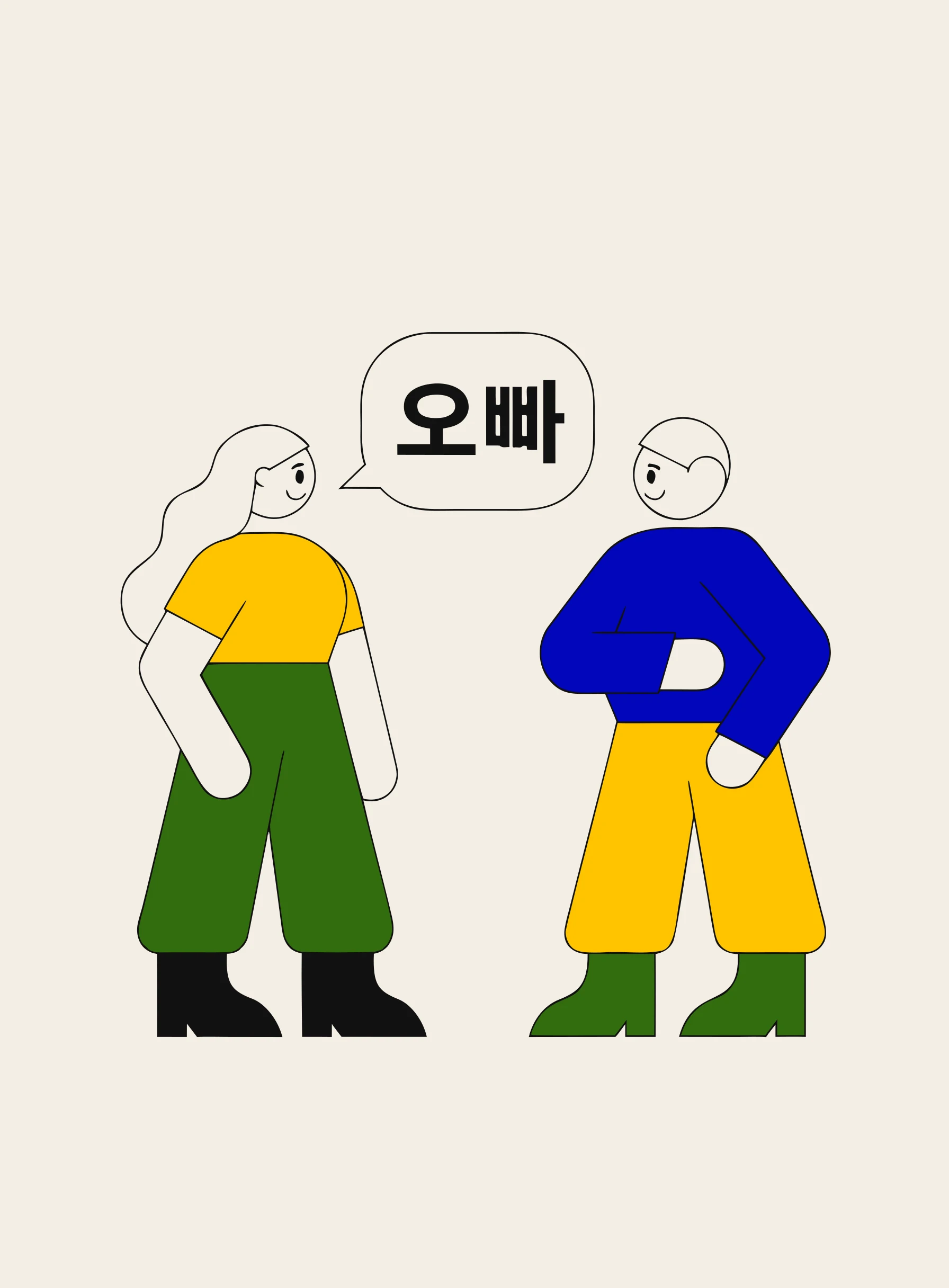
Oppa (오빠) is what a female uses to address an older male. That’s the core of it. Originally it means a girl’s older brother — but in everyday Korean it stretches to almost any older man she feels close to: an older male friend, a classmate a couple of years above her, an older cousin, or a boyfriend.
Two things are baked into the word:
- The speaker is female. Only girls and women say oppa. (A male calls his own older brother hyung.)
- The other person is an older male. He needs to be older than the speaker — even by a year — but usually not by a whole generation.
So when a woman calls a man oppa, she’s signalling warmth and a little closeness, plus the plain fact that he’s the older one. It’s friendly and affectionate, never cold or formal.
Who can call someone oppa (and who can't)
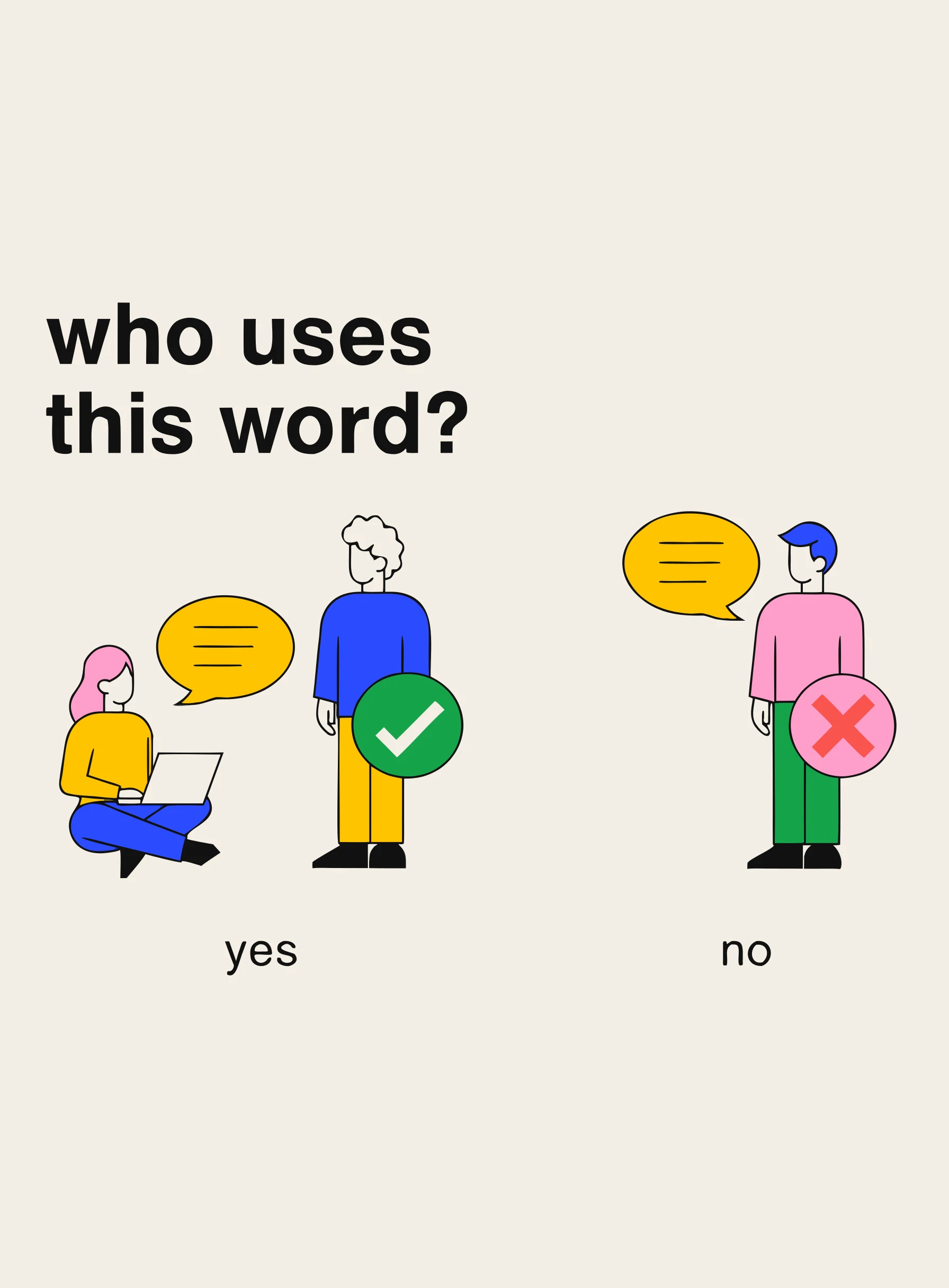
This is where most learners slip. Oppa isn’t a free-for-all title — it’s tied to the speaker’s gender. Run it through two quick checks:
- Are you female? If not, you don’t use oppa to address someone — you’d say hyung instead.
- Is he older than you? Oppa is only for someone older. You’d never call a younger man oppa.
A few finer points that trip people up:
- A man can be called oppa, but he never says it about someone else.
- How much older? Usually anywhere from a year up to about ten. For a much older man, Koreans switch to other titles like ajusshi.
- K-pop fans often call a male idol oppa even without knowing him personally — more on that below.
Read also: What Does “Maknae” Mean? The K-pop Term for the Youngest, Explained
Oppa vs hyung, unnie and noona
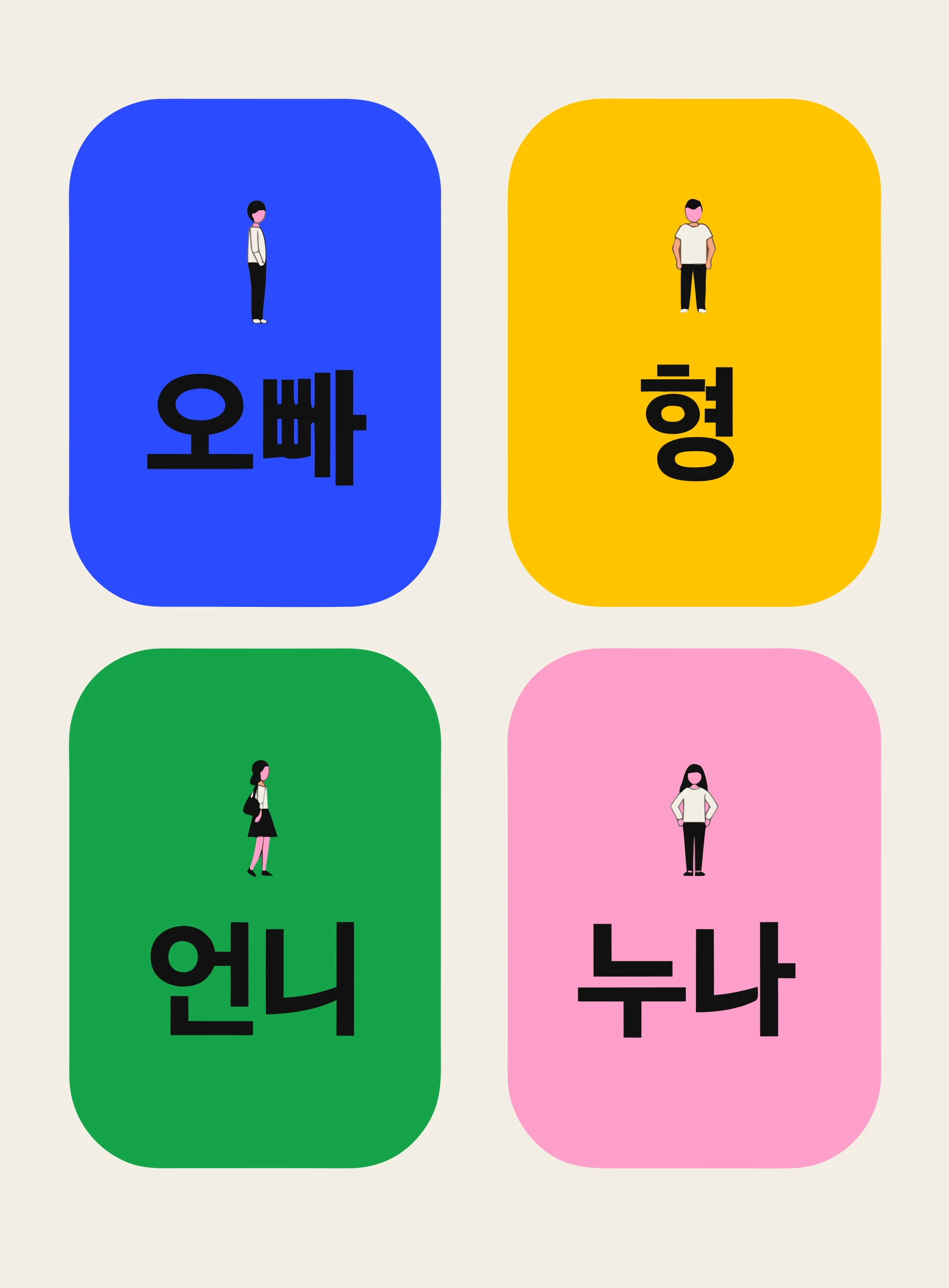
Korean has a neat little grid of sibling-style words, and which one you use depends on your gender and the other person’s. Oppa is just one corner of it:
- 오빠 (oppa) — used by a female for an older male.
- 형 (hyung) — used by a male for an older male.
- 언니 (unnie) — used by a female for an older female.
- 누나 (noona) — used by a male for an older female.
One way to lock it in: the word depends on who’s speaking, not just who’s being addressed. The same older man is oppa to his younger female friend and hyung to his younger male friend — at the very same table.
Why oppa feels romantic in K-dramas
Here’s the twist the dictionary misses. In real life oppa is mostly ordinary — a woman calls her older brother or her friend oppa with zero romance attached. But on screen, screenwriters lean on it. A heroine dropping her guard and softly calling the lead oppa is shorthand for I’ve let you in.
That’s why the word can feel loaded:
- A girlfriend very often calls her boyfriend oppa, so the word overlaps with dating.
- Said in a certain sweet tone (Koreans call this playful cuteness aegyo), oppa turns flirtatious.
- Fans call male idols oppa to express affection and a sense of closeness — real or imagined.
So oppa doesn’t mean boyfriend — but context and tone can push it there. Same word, very different temperature depending on who says it and how.
How to actually say it
The spelling you see in English — oppa — is a hint about the sound, and that double p matters. 오빠 uses a tense consonant: you briefly tighten before the pp, so it comes out crisper and a little stronger than a normal p, with no puff of air. Roughly: OH-ppa, with the weight on the first part.
Compare it with 아빠 (appa, ‘dad’), which uses the same tense sound — get one and you’ve got the other. And don’t worry about perfection: Koreans are used to learners, and the word is short enough that you’ll be understood long before your pronunciation is flawless.
From knowing the word to using it
You now understand oppa better than most K-drama fans — but knowing what a word means and actually using it in a live conversation are two different skills. The gap between them closes in only one way: talking to real Korean speakers, who’ll show you which title fits which moment far faster than any chart can.
That’s what CoffeeTalk is for. Every member passes a quick video verification, so you’re practising with a real person who’s there to talk — not a bot. You’re matched near your level and handed ready-made topics, so there’s always something to say. If you’re just starting out, pair this with our guide on how to say hello in Korean and our walkthrough of how to practise speaking a new language.

FAQ
What does oppa mean in Korean?
Oppa (오빠) is the word a girl or woman uses for an older male — originally her older brother, but in everyday Korean also an older male friend, classmate, cousin or boyfriend. It signals warmth and that the man is the older one. Only females use it; a male says hyung for an older male instead.
Can a guy say oppa?
No. A man never uses oppa to address someone else. If a male wants to address an older male, he says hyung. A man can be called oppa by a younger woman, but he doesn't use the word himself.
Does oppa mean boyfriend?
Not by itself. Oppa literally means older brother or older male, but because girlfriends very often call their boyfriends oppa, and K-dramas use it in romantic scenes, the word can carry a romantic feeling. Whether it means boyfriend depends entirely on context and tone.
What's the difference between oppa and hyung?
Both mean an older male, but the speaker's gender decides which you use: a female says oppa, a male says hyung. The same older man is oppa to a younger woman and hyung to a younger man at the same time.
Is it rude to call someone oppa?
Not at all — it's warm and friendly when used correctly: by a female, for a male who is genuinely older than her. It can feel too familiar with someone much older or in a formal setting, where a title like ajusshi, or a name with a polite ending, fits better.