
Language barrier
The Language Barrier: Why You Understand but Can't Speak (and How to Break Through)
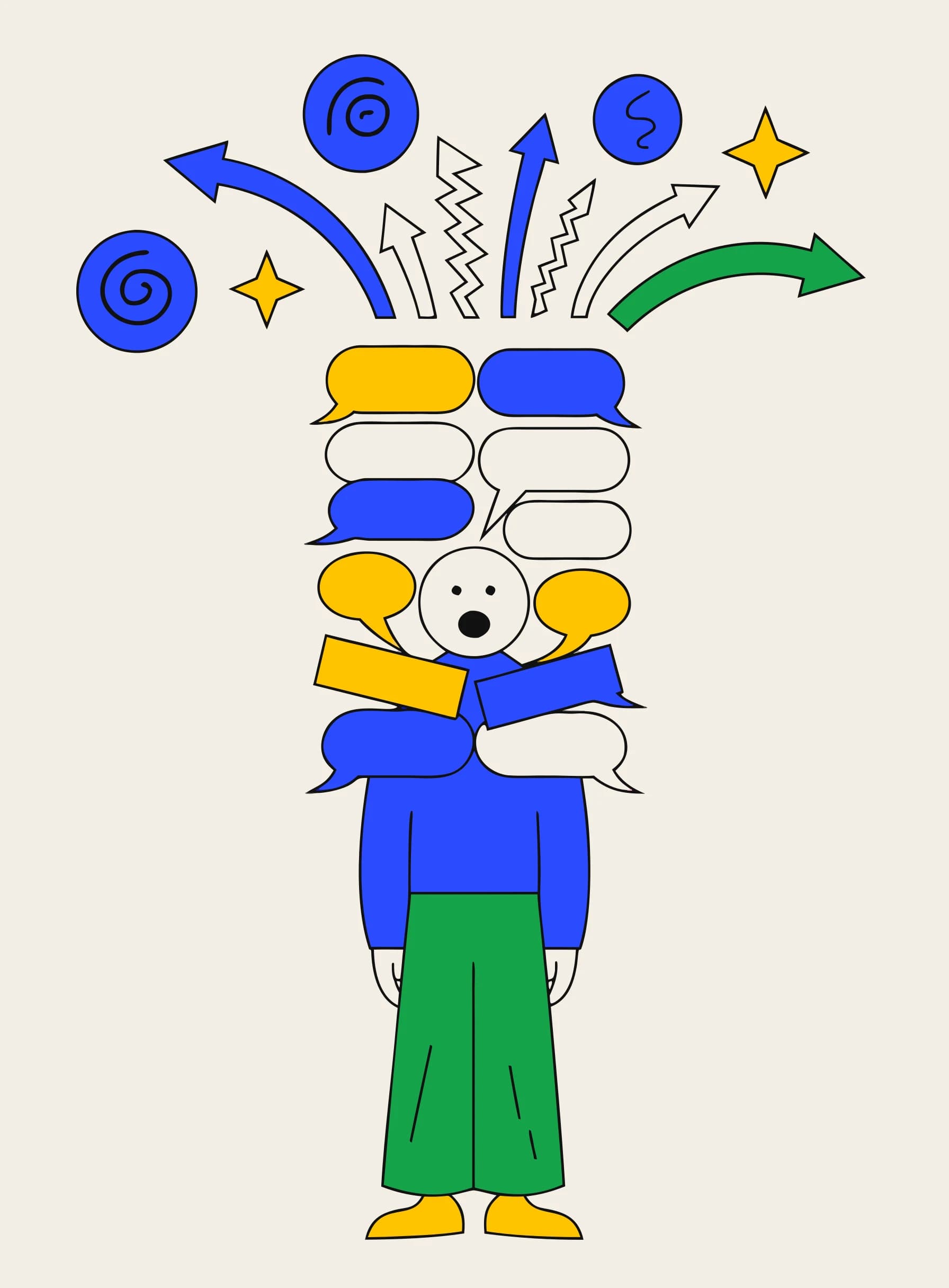
You can follow your favourite show with half an eye on the subtitles. You read signs, menus, the odd news headline. You catch the gist of what people say. And then someone turns to you, asks a simple question, waits — and nothing comes out. You understood them perfectly. You just can’t answer.
That maddening gap has a name: the language barrier. It’s the wall between understanding a language and speaking it, and almost every learner slams into it. The reassuring part is that it isn’t a talent problem or a sign you’ve wasted your time — it’s a specific, well-understood problem with an equally specific fix. Here’s why it happens, and how to break through.
Understanding and speaking are two different skills
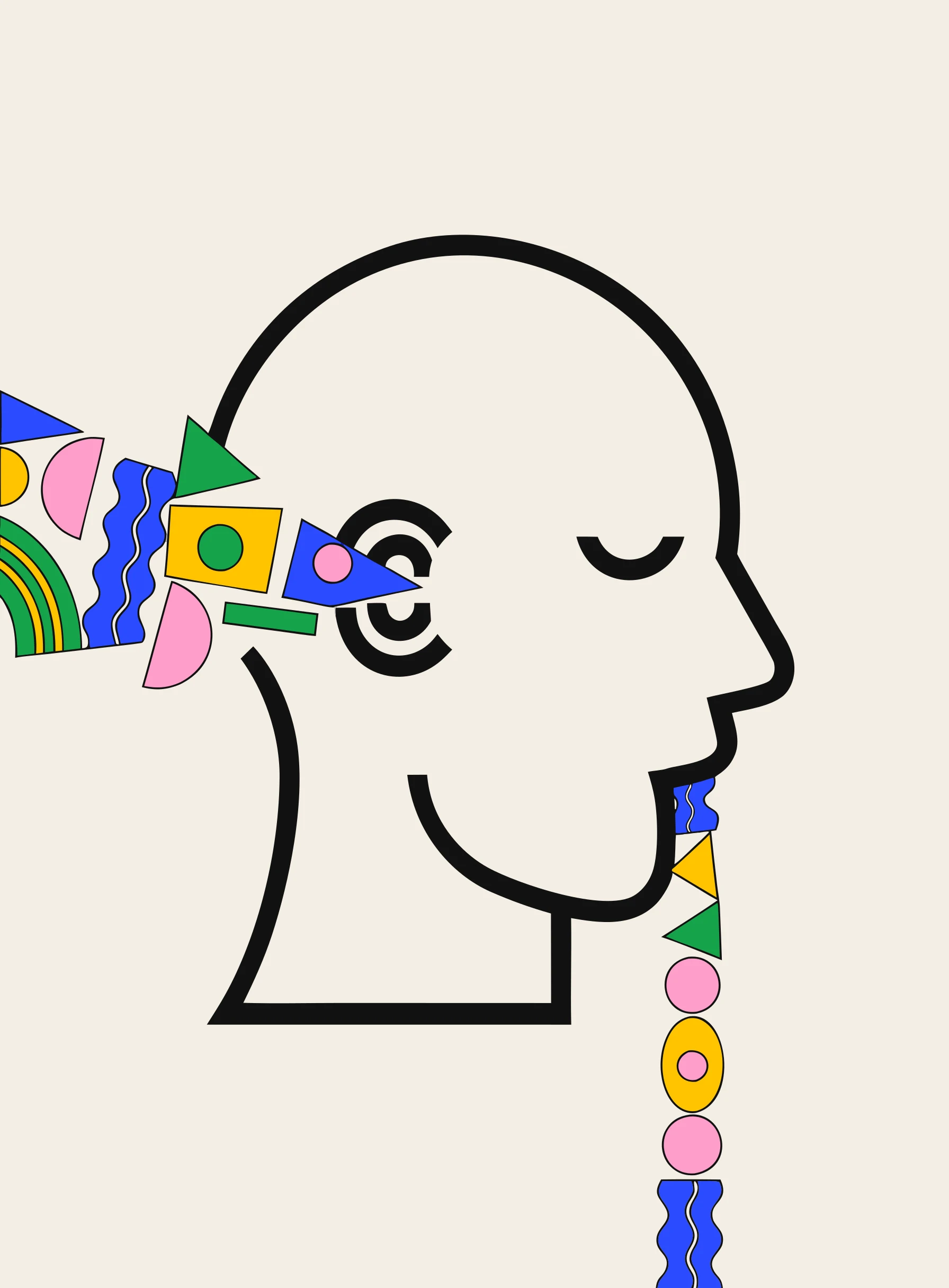
The first thing to know about the language barrier is that it isn’t a sign you’re bad at languages. It’s the predictable result of how the brain files a language away. Understanding is a receptive skill: the words arrive, and all you have to do is recognise them. Speaking is a productive skill: you start from a blank page and build the sentence yourself, in real time, out loud.
Those are two different jobs, and they’re trained separately. Months of input — shows, podcasts, textbooks — can make your comprehension excellent while your speaking stays near zero, simply because you never asked your brain to produce anything. Recognising a word is like spotting a face in a crowd; producing it on demand is like drawing that face from memory. Much harder, and a completely different exercise.
Why your mind goes blank when you try to speak
Even when you know the words, the moment a real person looks at you and waits, your mind empties. There are three culprits, and they stack on top of each other:
- Real-time pressure. Reading lets you pause; conversation doesn’t. You have a second or two to understand, plan a reply, find the words, and say them — all at once.
- Translation lag. If you build every sentence in your native language first and then translate it, you fall permanently behind the conversation. By the time you’ve translated, the moment has moved on.
- Fear of the mistake. The louder your inner critic, the more working memory it eats — leaving less for the actual sentence. Ironically, caring too much about speaking perfectly is a large part of what makes you freeze.
Notice that none of these are fixed by learning more. They’re fixed by changing the conditions you practise under — which is what the rest of this article is about.
Read also: How Long Does It Take to Speak a New Language? Real Hours to Conversational Fluency
The real bottleneck: passive vs active vocabulary
Here’s the discovery that reframes everything: the problem usually isn’t that you don’t know the word. It’s that you can’t reach it fast enough. Every learner has two vocabularies. Your passive vocabulary — words you recognise when you see or hear them — is huge, often several times larger than your active vocabulary, the words you can summon on demand and actually say.
The language barrier lives in the gap between those two. You have the word; it’s sitting in the passive pile, and under real-time pressure you can’t pull it forward in time. This is genuinely good news: you don’t need to start over or cram thousands of new words. You need to move the words you already half-know from passive into active — and there’s only one way to do that.
How to move words from passive to active
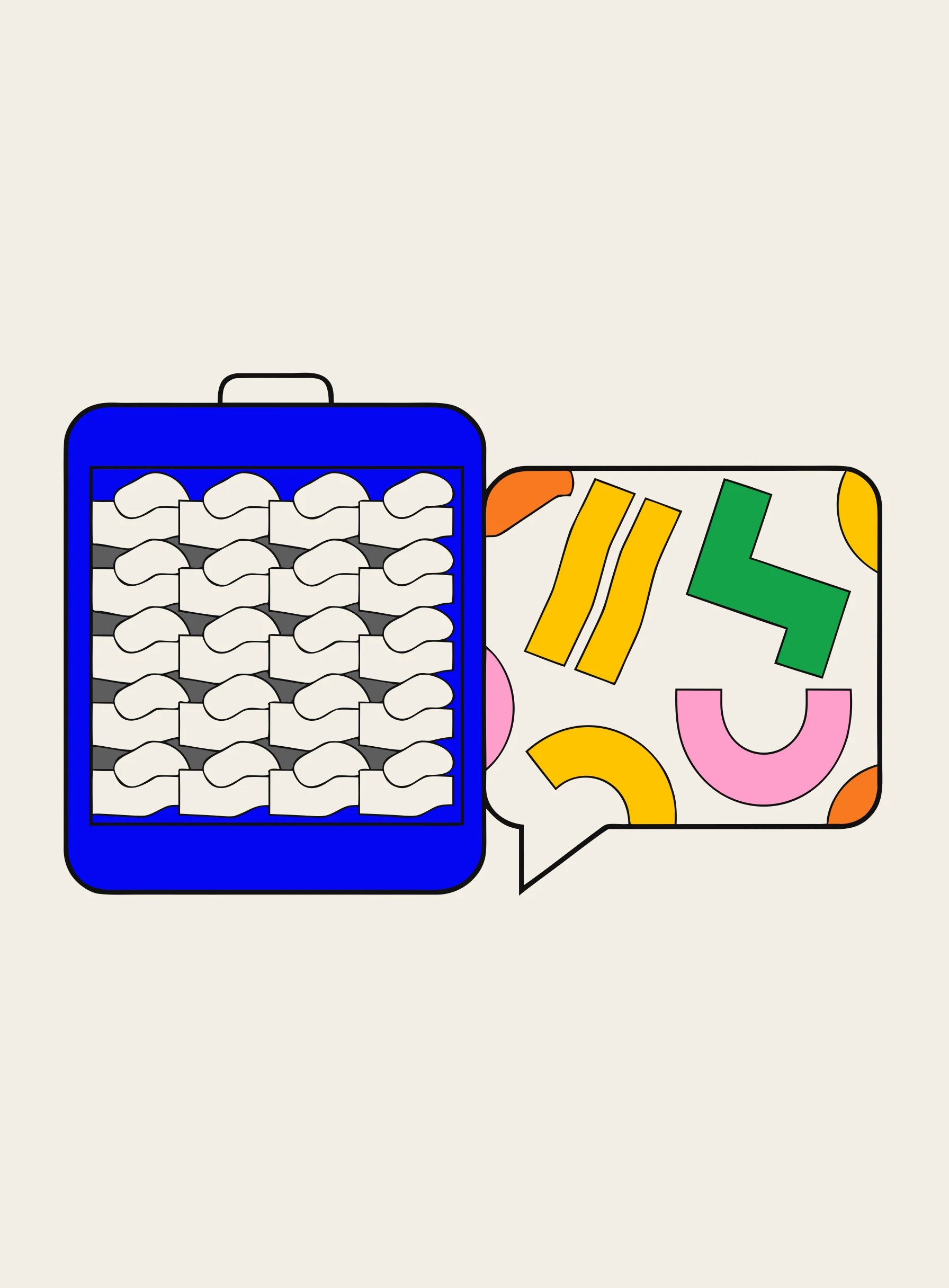
Words move from passive to active through retrieval — the act of pulling a word out of your head and using it, not seeing it again. Every time you successfully retrieve a word under a little pressure, the path to it gets faster. A few drills that force retrieval:
- Speak, don’t just review. After you learn a phrase, immediately use it in three sentences of your own, out loud. Recognition alone leaves it passive.
- Learn chunks, not single words. Store ready-made phrases (‘could you say that again?’, ‘what I mean is…’) so you retrieve a whole block instead of assembling it word by word.
- Self-narrate. Describe what you’re doing as you cook or commute. It’s low-pressure retrieval practice you can do anywhere.
- Think in the language. Catch yourself translating and try to go straight to the target language, even in broken fragments. Over time this kills the translation lag at its source.
These all help — but every one of them is really a warm-up for the thing that counts: retrieving words live, with another person, when it matters.
Lower the stakes before you raise the bar
The single fastest way to make yourself freeze is to demand perfect sentences. Fluency isn’t the absence of mistakes — it’s the ability to keep going through them. Every fluent speaker you admire is making small errors constantly; they’ve simply stopped letting each one stop the sentence.
So lower the stakes on purpose. Give yourself permission to sound simpler than you are, to use the wrong tense, to gesture and paraphrase around the word you can’t find. A message that lands imperfectly beats a perfect sentence you never say. Paradoxically, the learner who worries less about mistakes speaks more — and the one who speaks more is the one who gets fluent. Aim to be understood, not to be correct.
The fastest way through: real speaking reps
Notice what every fix above has in common: they all come down to retrieving words out loud, in real time, with the pressure turned low enough that you don’t freeze. That’s the exact condition that dissolves the language barrier — and there’s no way to fake it. You can only build it by speaking with real people, often, somewhere that feels safe enough to be imperfect in.
That’s the whole reason CoffeeTalk exists. Every member passes a quick video verification, so the person across from you is real and there to practise — not a bot or a borrowed photo. You’re matched near your level, so the pressure stays low, and you’re handed ready-made topics so no session dies on ‘so… what do we talk about?’. It turns the one thing that actually breaks the barrier — live, low-stakes speaking reps — into something you can do over your morning coffee. For the solo drills to fill the gaps between conversations, see our guide on how to practice speaking a new language; and if you’re wondering how many of these hours you’ll need, our piece on how long it takes to speak a new language breaks it down.
FAQ
Why can I understand a language but not speak it?
Because understanding and speaking are two different skills. Understanding is receptive — you only have to recognise words as they arrive. Speaking is productive — you must summon words yourself, in real time, out loud. Months of input build comprehension while speaking stays untrained. The fix is to practise producing the language, not just consuming it.
What is the language barrier in language learning?
The language barrier is the gap between understanding a language and being able to speak it. You recognise far more than you can produce, so you freeze when you have to talk. It's caused mainly by real-time pressure, translating in your head, and having a large passive vocabulary but a small active one.
How do I stop freezing when I try to speak a foreign language?
Lower the pressure and practise retrieval. Speak from your first lessons, learn ready-made phrases you can pull out whole, narrate your day out loud, and give yourself permission to make mistakes — aiming to be understood, not perfect. Regular low-stakes conversation with a patient partner is the fastest cure.
How long does it take to overcome the language barrier?
It depends far less on time than on how much you speak. Learners who practise speaking daily often start breaking through in a few weeks to a few months. The single biggest lever is hours spent actually talking out loud rather than silently studying.